

Behind on Spring Gardening? 5 Calm Fixes That Work
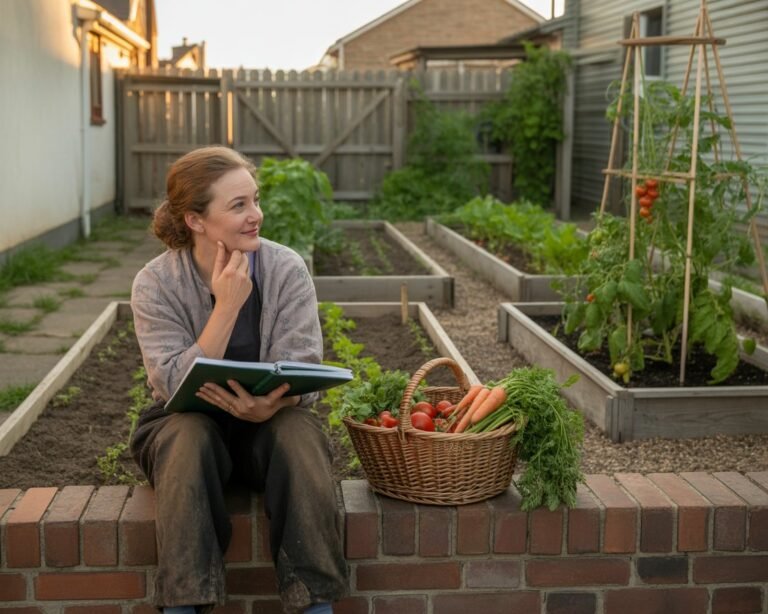
For the past several years I’ve grown food in small UK gardens, raised beds, containers, and even troughs — often starting later than I meant to. I know exactly what it feels like to think you’re behind on spring gardening while everyone else seems weeks ahead.
The good news?
In the British climate, “behind” is rarely what you think it is.
If you feel behind on spring gardening, you have not missed the season. In most parts of the UK, late March through April remains an ideal time to reset, reorganise, and plant fast-growing crops.
When gardeners feel behind on spring gardening, the real issue is usually one of perception, not timing. Social media creates unrealistic expectations of perfectly sown beds in February. In reality:
- Soil temperatures in the UK are often still low well into April.
- Many crops germinate better when sown slightly later.
- Quick-growing vegetables (radish, lettuce, spinach, peas) catch up rapidly.
- A simple reset plan prevents overwhelm and wasted effort.
A structured reset focuses on:
- Clearing and prioritising key beds or containers.
- Planting reliable, fast crops.
- Simplifying sowing plans.
- Improving soil efficiently.
- Setting a realistic weekly routine.

Being behind on spring gardening does not mean the season is lost. It means the plan needs adjusting.
If you’re feeling behind on spring gardening, the rest of this guide will walk you through five calm, practical reset steps you can start this week — even in a small UK garden.
Why You’re Not Actually Behind (UK Climate Reality)
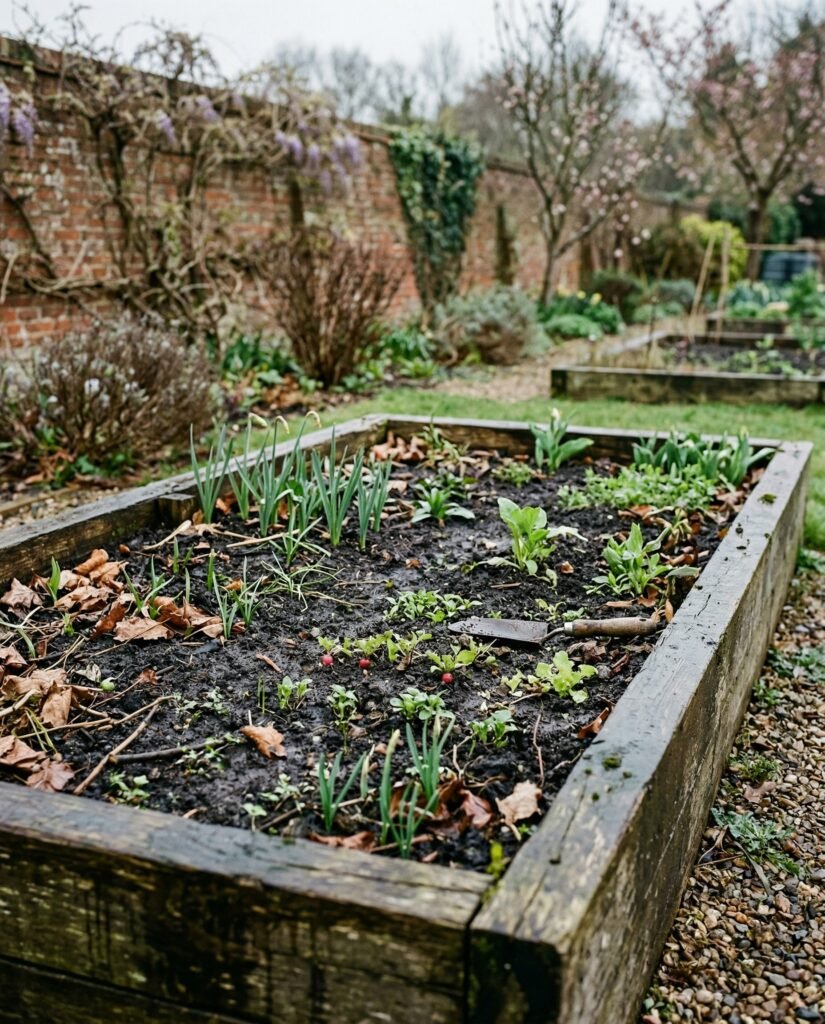
Many people feel behind on spring gardening because they measure themselves against the calendar rather than the conditions. In the UK, spring is slow and inconsistent. March and April regularly swing between sunshine and frost, which means growth depends far more on soil temperature than the date on a seed packet.
Soil warmth matters more than timing. Most vegetable seeds need soil temperatures of at least 7–10°C to germinate well. If the ground is still cold and wet, sowing early can lead to poor germination or stalled seedlings.
Being behind on spring gardening in the UK often simply means you’ve waited for workable soil — which is usually the smarter choice.
Garden centres add pressure. From late February, shelves are full of plug plants and “plant now” signage. That timeline serves retail cycles, not local growing conditions.
Likewise, social media can distort expectations. You may be seeing polytunnels, southern microclimates, or allotments prepared months earlier. Comparing your garden to those setups easily creates the feeling of being behind on spring gardening, even when you are not.
One year I didn’t sow my peas until mid-April because I was filming and reorganising beds. I felt behind on spring gardening at the time. By June, those peas had completely caught up and outperformed my earlier sowings from the previous year. Waiting for better soil conditions made the difference.
The 5-Step Spring Garden Reset Plan
If you feel behind on spring gardening, the solution is not to work harder. It is to simplify. A reset is about regaining momentum, not recreating an idealised version of spring.
1. Stop Expanding — Start Prioritising
If you’re behind on spring gardening, do less — not more.
Overwhelm usually comes from trying to prepare every bed, every container, and every seed tray at once. That approach leads to half-finished jobs and abandoned plans.
Reset approach:
- Choose one main bed or container area.
- Ignore everything else for now.
- Clear only what you intend to plant this week.
This creates visible progress quickly. When you’re behind on spring gardening, visible progress restores confidence.
Helpful tools:
- Heavy-Duty Garden Tarp – useful for covering cleared areas or temporarily suppressing weeds.
- Hand Fork and Hand Trowel – reduces strain when clearing compacted soil.
2. Plant Fast Crops That Catch Up Quickly
When you’re behind on spring gardening, speed matters.
Fast-growing crops restore momentum because they show results within weeks rather than months.
Reliable UK quick crops:
- Radish (3–4 weeks)
- Cut-and-come-again lettuce
- Spinach
- Peas
- Spring onions
These crops tolerate typical British spring conditions and mature quickly enough to compensate for later sowing. Being behind on spring gardening becomes far less significant when your first harvest arrives within a month.
This is why structured, month-by-month sowing rhythms work so well. Instead of chasing everything at once, you plant what suits the current conditions.
3. Improve Soil in 30 Minutes
Soil panic is common when people feel behind on spring gardening. Many assume the ground must be perfectly prepared before anything can be planted.
In most UK gardens, a simple refresh is enough.
Quick reset method:
- Add 2–3 cm of compost.
- Lightly rake it into the surface.
- Water thoroughly.
That is sufficient for most spring sowing. Overworking soil wastes time and delays planting.
Useful additions:
- Organic Peat-Free Compost
- 4-in-1 Soil Moisture Meter – helpful if you are unsure whether soil is warm enough for sowing.
I once overcomplicated soil preparation for weeks, convinced I needed ideal structure before starting. Now I add compost and plant. The results are better because I begin earlier rather than chasing perfection.
4. Ditch the Perfect Plan
Most people feel behind on spring gardening because they attempt to follow elaborate sowing charts and ambitious crop lists.
The reset approach is simpler:
- Pick three crops.
- Sow them properly.
- Ignore the rest.
This small-space gardening UK mindset focuses on practicality over scale. When you’re behind on spring gardening, clarity is more valuable than variety.
You can always add more later. Momentum matters more than completeness.
5. Set a 30-Minute Weekly Rhythm
If you’re behind on spring gardening, routine matters more than intensity.
Instead of weekend marathons, build a consistent weekly structure.
Simple 30-minute system:
- One sowing task.
- One maintenance task (watering, weeding, thinning).
- One observation task (checking growth, pests, soil moisture).
This steady rhythm prevents the cycle of urgency followed by avoidance. Being behind on spring gardening often comes from inconsistency, not capability.
Small, repeatable actions build confidence and skill over time. It is the same principle behind sustainable self-sufficiency: manageable steps, repeated consistently, create lasting progress.
What You Can Still Plant in April (UK Specific)

If you’re behind on spring gardening, April is still prime time for a surprising number of crops. In much of the UK, soil is only just becoming workable and daylight hours are increasing rapidly. Late April sowings often establish faster than early March attempts because conditions are more stable.
Being behind on spring gardening at this point in the season does not mean you have missed your window. It means you are working with real weather.
Direct Sow Outdoors (No Fancy Equipment Needed)
These crops cope well with typical British spring conditions and germinate reliably once soil begins to warm:
- Carrots – Sow thinly into loosened soil; avoid heavy feeding.
- Beetroot – Reliable and forgiving, ideal for raised beds.
- Parsnips – Slow to germinate but perfectly timed for April sowing.
- Radish – The fastest confidence booster if you feel behind on spring gardening.
Direct sowing reduces transplant shock and simplifies the reset process. If soil is workable and not waterlogged, you are ready.
Start Indoors Now (For Summer Crops)
If you’re behind on spring gardening, April is still prime time for starting warm-season crops indoors on a bright windowsill or in a small propagator.
- Courgettes – Sow individually; they establish quickly.
- Squash – One seed per pot; do not overwater.
- Sweetcorn – Start indoors for a stronger early root system.
These crops grow rapidly once sown. A late April start often catches up entirely by early summer, particularly in southern and central parts of the UK.
A simple windowsill setup is enough:
- Peat-free multipurpose compost
- 9cm pots
- Bright light and moderate warmth
If you feel behind on spring gardening, focus on what is appropriate now rather than what you think you should have done earlier. British growing seasons are forgiving. April is not late — it is active.
Small Space Reset Strategy (Patio & Container Gardeners)
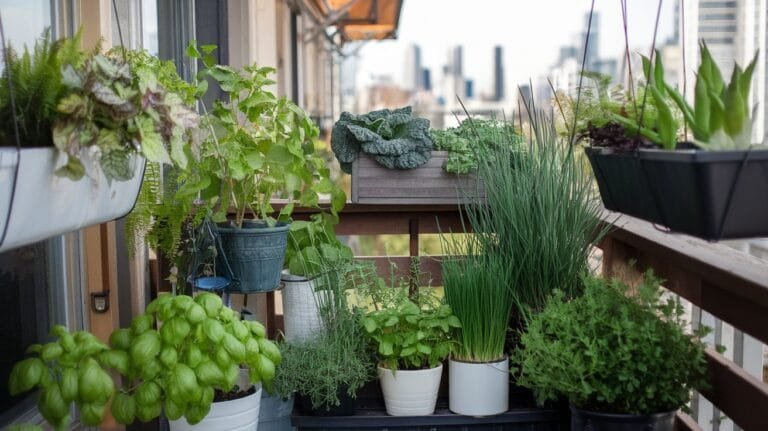
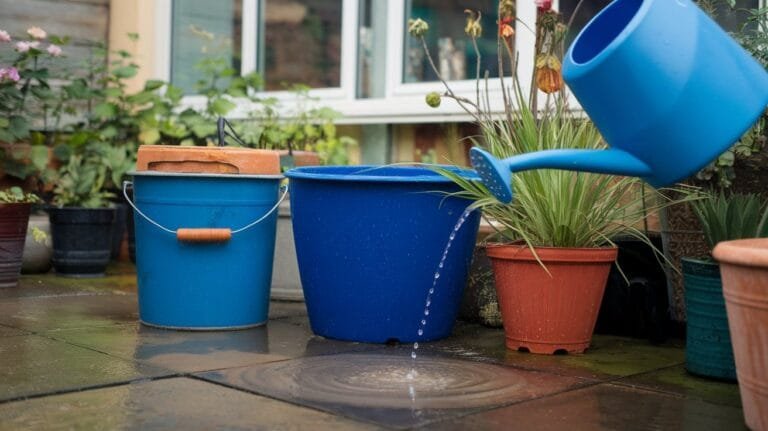
If you’re behind on spring gardening and working with a patio, balcony, or very small garden, the reset is even simpler. You do not need raised beds, elaborate systems, or a long crop list. Three well-managed containers are enough to restart momentum.
Many small-space growers feel behind on spring gardening because they compare themselves to allotments or larger plots. Container growing works differently. It is controlled, efficient, and surprisingly productive when kept simple.
1. Three Containers Are Enough
Start with:
- One container for quick salad crops (lettuce, spinach, radish)
- One container for a reliable staple (peas or spring onions)
- One container for a summer crop (courgette or compact squash)
That is a complete reset. When you’re behind on spring gardening, scale is less important than consistency. Three thriving containers will outperform six neglected ones.
2. Use Multipurpose Compost
Avoid overthinking soil blends. A quality peat-free multipurpose compost is sufficient for most container crops in April.
Container gardening already provides controlled growing conditions. When people feel behind on spring gardening, they often overcomplicate compost mixes instead of planting. Keep it straightforward:
- Fill container.
- Lightly firm.
- Water well.
- Sow or transplant.
3. Choose Compact Varieties
Compact or patio varieties mature faster and require less staking and maintenance. This reduces the workload and prevents the overwhelm that often triggers the feeling of being behind on spring gardening.
Look for:
- Patio peas
- Bush cucumbers
- Dwarf beans
- Compact courgettes
Small-space gardening in the UK rewards precision over volume. You are not trying to recreate a market garden — you are building manageable productivity.
Month-by-month guidance prevents that “behind on spring gardening” feeling entirely. When planting follows seasonal rhythm rather than panic, even three containers can build real confidence and real harvests.
Common Mistakes When You Feel Behind on Spring Gardening
When people feel behind on spring gardening, the instinct is to compensate. Unfortunately, that often creates more problems than it solves.
Over-sowing.
Sowing double the seeds does not recover lost time. It creates overcrowding, weak seedlings, and more thinning work later. If you are behind on spring gardening, precision beats volume.
Buying too many seedlings.
Garden centres are full of temptation in April. Panic-buying trays of plug plants leads to cluttered beds and rushed planting. Choose only what you can realistically care for.
Digging everything.
Full-scale digging feels productive, but it delays planting and disrupts soil structure. A light compost top-up is usually enough to reset.
Comparing yourself to allotment accounts.
Allotment growers often have larger plots, prepared beds, or polytunnels. Comparing your garden to theirs is one of the quickest ways to feel behind on spring gardening unnecessarily.
Most setbacks come from reacting emotionally rather than adjusting calmly.
When Being “Behind” Is Actually Better

In many cases, being behind on spring gardening offers advantages.
Avoid frost damage.
Late sowings reduce the risk of young seedlings being caught by unexpected cold snaps.
Avoid bolting.
Crops such as spinach and lettuce often perform better when sown slightly later, once temperatures stabilise.
Better germination.
Warmer soil leads to faster, more reliable sprouting.
More consistent watering habits.
Later sowing often aligns with improved daylight and routine, making it easier to maintain steady care.
The year I sowed later than usual, convinced I was behind on spring gardening, I actually harvested for longer into autumn. Crops matured in steadier weather and avoided early stress. What felt like a delay turned out to be better timing.
Being behind on spring gardening is not always a setback. Sometimes it is simply working in harmony with real conditions rather than chasing an artificial schedule.
Conclusion
Feeling behind on spring gardening is common in the UK — but rarely accurate. With a simple reset plan, fast crops, and a realistic weekly rhythm, you can recover your momentum quickly and confidently.
If you’d like structured, month-by-month guidance designed for small UK gardens, join the Grow Make Learn waiting list and never feel behind on spring gardening again.

One Comment