There comes a point when many of us look around and realise that life — our routines, our food, our home — no longer feels like ours. That’s when rebuilding begins. Through years of teaching and practising self-sufficiency at home, I’ve seen that real change doesn’t start with a plot of land or a pantry full of jars; it begins the moment you decide to live differently.
To rebuild your life around building better self-sufficiency at home means more than growing your own food or reducing waste. It’s about redesigning your lifestyle so that your daily choices reflect your values: sustainability, independence, and mindful living.
The practise of self-sufficiency at home allows you to reclaim control — from what you eat and how you spend, to how you create comfort and security for your family. It can be achieved in a garden flat, a council house, or a countryside cottage.
The first step is a mindset shift: stop chasing “more” and start building enough. From there, practical skills naturally follow — growing herbs, cooking from scratch, making, mending, and managing your household systems with purpose.
Rebuilding your life can feel daunting, but you don’t have to do it all at once. Think of this as the first stone in a new foundation — one built on your terms, rooted in purpose, and growing steadily through small daily acts of self-sufficiency at home.
Why Rebuilding Matters
Modern life has a funny way of leading us far from the things that once made sense. We fill our homes with gadgets that promise to save us time, only to find ourselves with less of it. We work harder to buy things we don’t need, eat food that’s travelled more miles than we ever will, and wonder why everything still feels slightly… off.
Rebuilding your life isn’t a dramatic reinvention — it’s a gentle correction. It’s the quiet decision to stop chasing a life that doesn’t serve you and start shaping one that does. For many of us, that begins with self-reliance and self-sufficiency at home: growing, making, and learning in ways that bring control, simplicity, and purpose back into everyday living.
When you rebuild with self-sufficiency in mind, you’re not just decluttering a cupboard or planting a few seeds. You’re creating a system — one that supports your wellbeing, your family, and the planet.
The Real Reasons to Rebuild
1. To reclaim control. Practising self-sufficiency at home puts power back in your hands. In a world that thrives on convenience, there’s a quiet rebellion in baking your own bread, growing your own herbs, or mending your own clothes. It’s not about rejecting modern life; it’s about living on your terms.
2. To rediscover simplicity. Rebuilding your life doesn’t mean living without — it means learning to live within. You start to see beauty in the basics: a line of clean laundry drying in the sun, a meal made entirely from what you’ve grown, a jar of jam that tastes of summer in the middle of winter. These small things reconnect you to a slower rhythm that modern life often forgets.
3. To build security. Whether it’s financial uncertainty, rising costs, or the occasional supermarket shortage, being even a little self-sufficient gives you peace of mind. A stocked pantry, a few shelves of preserves, or a small veg patch can turn chaos into calm.
4. To reconnect — with nature, community, and yourself. Practising self-sufficiency at home reminds you that everything is interconnected. You become more aware of the seasons, the soil beneath your feet, and the value of the people around you. Sharing seeds, swapping surplus, or lending a hand to a neighbour transforms self-sufficiency into shared sufficiency.
A Personal Reflection
When we left our previous home and allotment — our first proper attempt at “doing the good life” — I thought I’d lost everything. The raised beds, the compost system, and even the homemade trellis we’d built from old shelving units were gone. For a while, it felt like failure.
But over time, I realised that rebuilding gave us something we’d never had before: clarity. We started fresh with intention, designing our space around how we actually lived rather than what we thought we “should” be doing. The new garden was smaller, but smarter. The kitchen cupboards were leaner, but better organised. The daily rhythm became slower, steadier, and somehow richer.
That’s when it clicked — practicing self-sufficiency at home isn’t something you lose when you move; it’s something you carry with you. It’s a mindset, not a postcode.
Why It’s Worth It
Rebuilding matters because it redefines success. Instead of measuring your life in likes, wages, or square footage, you start measuring it in peace of mind, self-reliance, and pride in what you’ve created.
It reminds you that you can always begin again — that the life you want isn’t behind you, it’s just waiting for you to pick up your trowel, roll up your sleeves, and start building it.
A guided journal to help you design your next chapter of self-sufficiency at home journey, one mindful habit at a time.
The Foundation — Mindset First
Before you dig a garden bed, bake a loaf, or even write a to-do list, start with your mindset. Without the right frame of mind, even the best systems for building better self-sufficiency at home will crumble under the weight of perfectionism, guilt, or overwhelm.
The truth is, rebuilding your life isn’t about how much you can grow, make, or store — it’s about how you think about growth, making, and storing. The practical side of self-sufficiency is only half the story; the mindset is what keeps you going when life (or the weather) has other plans.
1. Shift from consumption to creation
Modern life trains us to buy solutions — new gadgets, quick fixes, convenience at every turn. But the idea of more self-sufficiency at home flips that completely: it’s about learning to create instead of consume. Make your own bread, brew your own drinks, sew on that button rather than replacing the shirt. Each act might seem small, but it restores confidence — and sovereignty.
Try this: begin with one “creation habit.” It could be a loaf of homemade bread every Sunday, or growing herbs on the windowsill. You’ll be amazed how those small rituals change your mindset.
2. Start small, but start intentionally
Many people get stuck because they think rebuilding means overhauling everything at once. In reality, it’s the small, intentional steps that matter most.
You don’t need to be growing all your own food by spring or canning a year’s worth of jam by summer. Start with one thing that fits your life right now.
If your week is busy, focus on one area: maybe batch-cook two meals instead of seven, or choose three vegetables to grow instead of twelve.
It’s far better to succeed slowly than to quit quickly.
3. Reconnect your home with your habits
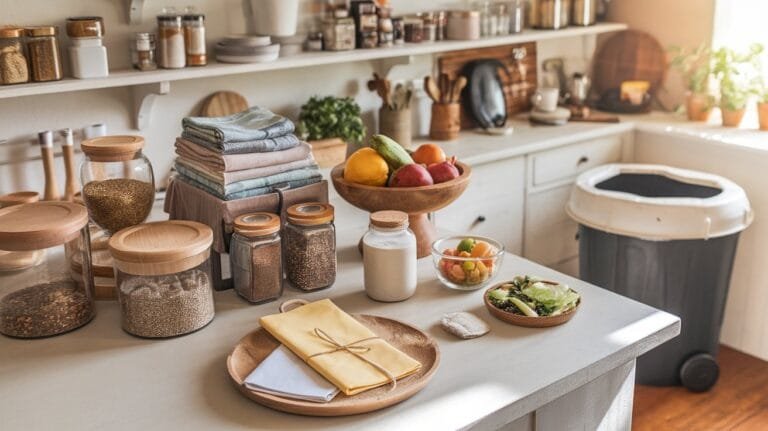
The spaces around us quietly dictate how we live. If your kitchen is cluttered with gadgets but your mixing bowls are buried in the back of a cupboard, it’s harder to bake. If your seed packets are scattered, you won’t plant. Rebuild your environment so it gently supports your intentions.
Display what inspires you — a basket of seeds, a jar of dried herbs, your compost bin proudly in view. The more you see your goals, the more naturally you live them.
When we first moved, I created what I now call my “self-sufficiency drawer.” It holds string, twine, wax wraps, spare seeds, and a little notebook. It’s a small thing, but every time I open it, I’m reminded of what we’re building.
4. Be gentle with yourself
Rebuilding your life isn’t a race; it’s a rhythm. You’ll have setbacks, forgotten watering days, burnt bread, and weeks where nothing goes to plan. That’s all part of the process. The goal of self-sufficiency at home isn’t perfection — it’s participation. You’re showing up for your own life, and that’s what matters most.
If you find yourself losing steam, take a breath, step outside, and look at what has changed. Progress doesn’t always look dramatic, but it’s there — in every jar on the shelf, every habit that now feels easy.
Rebuilding your mindset takes time, but every thought and choice you reframe becomes a building block in a more intentional life. Once your thinking shifts, everything else follows — the growing, the making, and the learning become joyful, not pressured.
Rebuilding the Practical Systems of Self-Sufficiency at Home
Once your mindset is grounded, it’s time to start doing. Rebuilding your life through self-sufficiency at home happens one small system at a time. Each new habit — growing food, managing energy, making things from scratch — connects together like threads in a tapestry. Over time, those threads form a lifestyle that’s strong, resilient, and deeply satisfying.
The beauty of rebuilding is that you can start wherever you are. You don’t need acres, a shed full of tools, or a pantry that looks like a magazine spread. You just need intention — and a willingness to learn as you go.
Food — Grow, Cook, Preserve
Food is usually where people begin, because it’s something we touch every day. It’s also one of the most empowering areas of self-sufficiency at home: when you can feed yourself, you immediately feel more in control.
Start with small, visible steps:
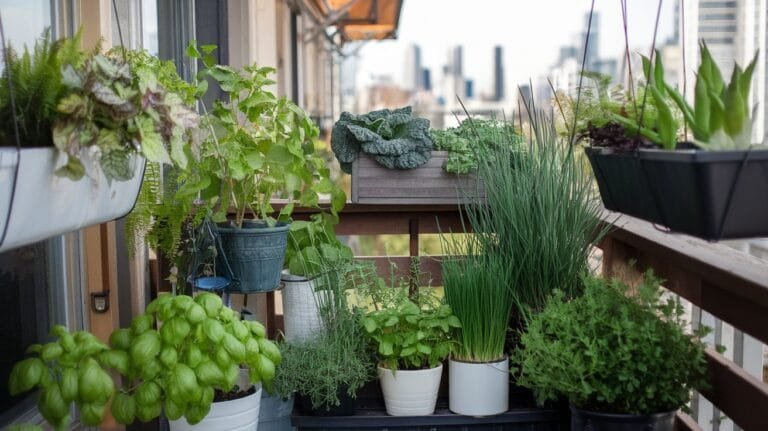
Grow what you eat most — salad leaves, herbs, or cherry tomatoes in pots.
Batch-cook a few hearty meals each weekend to save time and money.
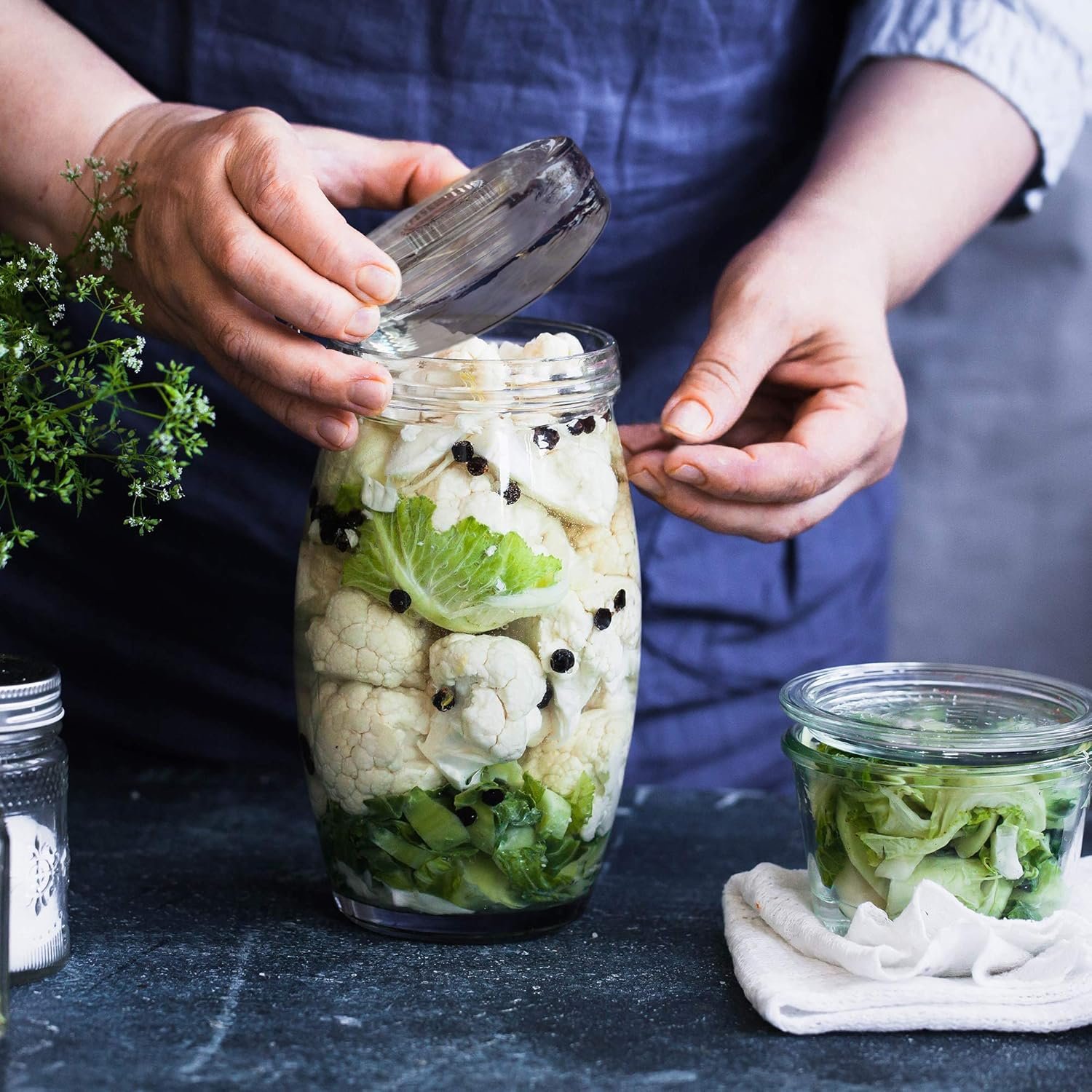
Learn one preserving method this month — freezing, dehydrating, fermenting, or water-bathing.
Personal note: Our first batch of homemade ginger beer exploded across the counter. I nearly gave up. But that messy failure taught me more about fermentation than any book ever could. The second batch was perfect — fizzy, balanced, and full of pride.
If you’ve ever wanted to try fermenting at home, this little kit makes it effortless. It has everything you need to start straight away — no fancy gear, no fuss, just fresh, healthy ferments in your own kitchen.
💡 Tip: Keep a “food flow” notebook. Record what you grow, what you buy, and what you waste. Over time, you’ll spot patterns and adjust — a quiet, powerful way to tighten the loop of self-sufficiency at home.
Home — Repair, Reuse, Refine
The next system to rebuild is your home itself. You don’t need to live in a cottage to live like one — it’s about how you care for your space.
Audit before you buy. What can you fix or repurpose? That old curtain might become shelf liners or seedling cloth.
Invest in durability. One solid wooden broom outlasts five plastic ones.
Create make-days. Set aside one weekend morning a month for small home projects — mending, refinishing, upcycling.
When our washing basket split, I spent an hour fixing it with garden twine instead of buying a new one. It wasn’t just thrift — it was a little act of defiance against throwaway culture.
These small acts aren’t just practical; they shift how you see value. You begin to realise that nearly everything around you can be useful again — a mindset at the very core of self-sufficiency at home.
Energy — Reduce and Rethink
True self-sufficiency at home also means being mindful of the energy we use. You don’t need solar panels to start making a difference — every kilowatt saved is a win.
Use natural light. Rearrange your workspace to face windows; add mirrors to bounce light.
Air-dry laundry. It takes longer, but it saves money and adds humidity to the house in winter.
Batch tasks. Cook several meals while the oven’s on or make bread after roasting dinner — maximise each bit of energy.
Explore small renewables. A solar-powered charger or camping light can be a surprisingly helpful backup.
Personal note: During a winter storm last year, the power flickered out just as dinner was cooking. Thanks to the camping stove and our pre-cooked jars of stew, we ate by candlelight — warm, full, and oddly content.
Rebuilding these three systems — food, home, and energy — gives you visible proof that your lifestyle shift is working. Each step adds a new layer of confidence. You’ll start to see that self-sufficiency at home isn’t an ideal to reach, but a rhythm to live within.
Next, we’ll explore the deeper layer — emotional sustainability — the heart of this lifestyle and what keeps it meaningful even when things go wrong.
Emotional Sustainability — The Heart of Rebuilding
When we talk about self-sufficiency at home, we often focus on the visible: jars lined neatly on a shelf, vegetables in tidy rows, or freshly baked bread cooling on the counter. But beneath all that, there’s something more vital — emotional sustainability.
Rebuilding your life means rebuilding your energy, your boundaries, and your relationship with rest. You can’t pour from an empty watering can, and no amount of homemade chutney will fix a burnt-out soul.
When we began our journey, I thought if I could do more — grow more, make more, preserve more — I’d finally feel “enough.” But that’s not how self-sufficiency works. It doesn’t demand hustle; it invites balance.
The truth is: you’re part of the ecosystem too
You can’t rush a seed to sprout, and you can’t rush your own healing either. Some seasons are for growth; others are for rest, reflection, and composting what no longer serves you.
If you’ve had a rough patch — a failed garden, a move, an illness, or simply exhaustion — see it as winter. Not the end, just a pause before the next spring.
Perfectionism vs. Participation
Perfectionism kills creativity — and it’s the enemy of self-sufficiency at home. You don’t need to do it all, and you certainly don’t need to do it perfectly.
If the bread collapses, it’s still bread. If the cabbages bolt, they’ll still feed the compost. The magic lies not in flawless results but in your willingness to participate in the process.
I once cried over a batch of mouldy homemade gummies — ridiculous, really. But I’d poured so much hope into them. The next day, I laughed at myself and composted them away with a smile. It became a reminder that even our mistakes can nourish the earth.
Community, Connection, and Asking for Help
The myth of self-sufficiency is that it’s a solo mission — but no one truly thrives alone. Humans are designed for interdependence.
Swap jam for eggs. Trade skills, not money. Share your surplus — of vegetables, of time, of encouragement.
Building community is one of the most sustainable choices you can make. The support you give and receive keeps your emotional reserves full — and your commitment to self-sufficiency at home strong.
The first time I traded homemade chutney for my neighbour’s fresh eggs, I realised this was what true abundance felt like — not having everything myself, but sharing what I could.
Emotional sustainability is the unseen scaffolding that holds everything else together. Without it, rebuilding your life becomes another to-do list. With it, every act — planting, mending, preserving — becomes a meditation.
Remember: the goal isn’t to build a perfect life, but a peaceful one. When you nurture your inner world with the same care you give your soil, your version of self-sufficiency at home will naturally flourish.
Five Practical Ways to Begin Rebuilding Your Life
Now that you understand the why and the heart behind rebuilding your life through self-sufficiency at home, it’s time to turn intention into motion. But before you go filling notebooks with endless to-do lists, take a breath. The goal isn’t to do everything — it’s to do something, and to do it with purpose.
Below are five gentle starting points to help you begin. I’ll touch on each one lightly here — but if you want the full how-to steps, templates, and small wins for your first week, you’ll find them all in our free Self-Sufficiency Quick Start Checklist (linked at the end of this post).
1. Audit Your Everyday Life
Where are you most dependent — and where do you already have control? This is the first, most honest step in rebuilding. Maybe you’re already batch cooking but still buying single-use cleaners. Maybe you’re growing food but relying heavily on packaged snacks. Awareness is where change begins.
2. Choose One Focus Area
Don’t try to overhaul your entire lifestyle. Pick one area to rebuild — food, home, garden, or mindset — and stay with it until it feels like second nature. You’ll move faster by doing less.
💡Tip:Our Grow Make Learn community often starts with one “win” each month — a single new habit that makes home life simpler, calmer, and more sustainable.
3. Learn or Relearn a Skill
Every act of self-sufficiency at home begins with a skill — cooking, mending, fermenting, growing. Pick one you’re drawn to, not the one you think you should do. Passion keeps the practice alive long after motivation fades.
4. Reconnect with Your ‘Why’
Rebuilding takes time and patience, and your “why” will keep you going when life gets chaotic. Write it down. Stick it to your fridge. Make it visible. Every jar, loaf, or pot of herbs becomes a physical reminder of that purpose.
5. Celebrate Every Win
The first loaf. The first seedling. The first “no spend” week. Each one is proof that you’re rebuilding something real. Perfection is dull — but progress? That’s powerful.
When our first lettuce harvest was barely enough for two sandwiches, we still called it a victory lunch. Because it wasn’t just lettuce — it was independence on a plate.
Want the full guide?
Download our Self-Sufficiency Quick Start Checklist — your free step-by-step plan for rebuilding your home systems, one small win at a time. Inside, you’ll find:
5 simple tasks to do this week
A printable tracker to record your wins
Links to free resources from Grow Make Learn to help you grow, make, and learn your way to a simpler life
Rebuilding your life around self-sufficiency at home isn’t just about filling cupboards or saving money — it’s about rediscovering a way of living that actually feels like you.
It’s the quiet satisfaction of pulling a loaf from the oven and thinking, I made that. It’s watching seedlings push through the soil, knowing that patience and care brought them to life. It’s the calm that settles in when you realise you don’t need to keep up — because you’ve chosen to slow down.
Self-sufficiency isn’t about perfection, and it’s not about isolation. It’s about balance, connection, and reclaiming your independence one small act at a time. When you rebuild your life with intention, the rewards ripple outward — through your health, your home, your relationships, and even your peace of mind.
I remember standing in our new kitchen, still bare and echoing after the move. The first thing I unpacked wasn’t plates or pans — it was a jar of homemade jam. As I placed it on the shelf, I realised that this simple act was more than decoration. It was a declaration: we’re building this life again, from the ground up.
A Simpler Life Awaits
You don’t need to wait for “someday” — your new beginning starts with the next small step. Download your free Self-Sufficiency Quick Start Checklist, make your first five tiny wins, and watch the momentum grow.
And when you’re ready to take it further…
💚 Try the Grow Make Learn Box.
Each month, you’ll receive everything you need to grow, make, and learn your way to the life you’ve been dreaming of — complete with seeds to plant, projects to craft, and digital guides to keep you inspired.
Because rebuilding your life around self-sufficiency at home isn’t just possible — it’s beautifully within reach.
At Grow Make Learn, we believe self-sufficiency should be accessible to everyone—no matter your budget, living space, or skill level. With years of experience empowering families across the UK to grow, make, and learn together, we’re here to help you start strong without spending a single penny. Let’s prove that simple self-sufficiency starts with what…
As someone who gardens in a normal back garden with an allotment on the side — and who has just spent the last few weeks clearing beds, building a polytunnel, and battling the first frost — I know how important it is to choose the right things to do in your garden before winter arrives….
Every thriving garden begins with a plan — not just a tangle of good intentions and seed packets. As someone who’s transformed more than one bramble-filled patch into a thriving self-sufficiency garden, I know the excitement and the overwhelm that come with starting from scratch. This guide will help you plan a self-sufficiency garden that…
Have you ever looked at your overflowing kitchen bin and thought, Where does it all come from? If so, you’re not alone. The kitchen is the heart of the home but also a hotspot for waste – from excess food scraps to single-use packaging. Many of us dream of cutting down on waste but feel…
Does the idea of growing your own vegetables, crafting homemade goods, and embracing a self-sufficient lifestyle excite you? If you’ve been yearning to start a homestead but feel restricted by living in the city, you’re not alone. Many people believe that a lack of space means they can’t pursue a homesteading lifestyle. But here’s the…
Balcony garden companion planting can transform even the smallest outdoor space into a thriving, productive oasis. Whether you’re working with a cosy city balcony, a compact rooftop terrace, or even a sunny windowsill, the right plant pairings can help you grow more food, keep pests at bay, and create a balanced mini-ecosystem that supports long-term…
To provide the best experiences, we use technologies like cookies to store and/or access device information. Consenting to these technologies will allow us to process data such as browsing behaviour or unique IDs on this site. Not consenting or withdrawing consent, may adversely affect certain features and functions.
Functional
Always active
The technical storage or access is strictly necessary for the legitimate purpose of enabling the use of a specific service explicitly requested by the subscriber or user, or for the sole purpose of carrying out the transmission of a communication over an electronic communications network.
Preferences
The technical storage or access is necessary for the legitimate purpose of storing preferences that are not requested by the subscriber or user.
Statistics
The technical storage or access that is used exclusively for statistical purposes.The technical storage or access that is used exclusively for anonymous statistical purposes. Without a subpoena, voluntary compliance on the part of your Internet Service Provider, or additional records from a third party, information stored or retrieved for this purpose alone cannot usually be used to identify you.
Marketing
The technical storage or access is required to create user profiles to send advertising, or to track the user on a website or across several websites for similar marketing purposes.









One Comment