
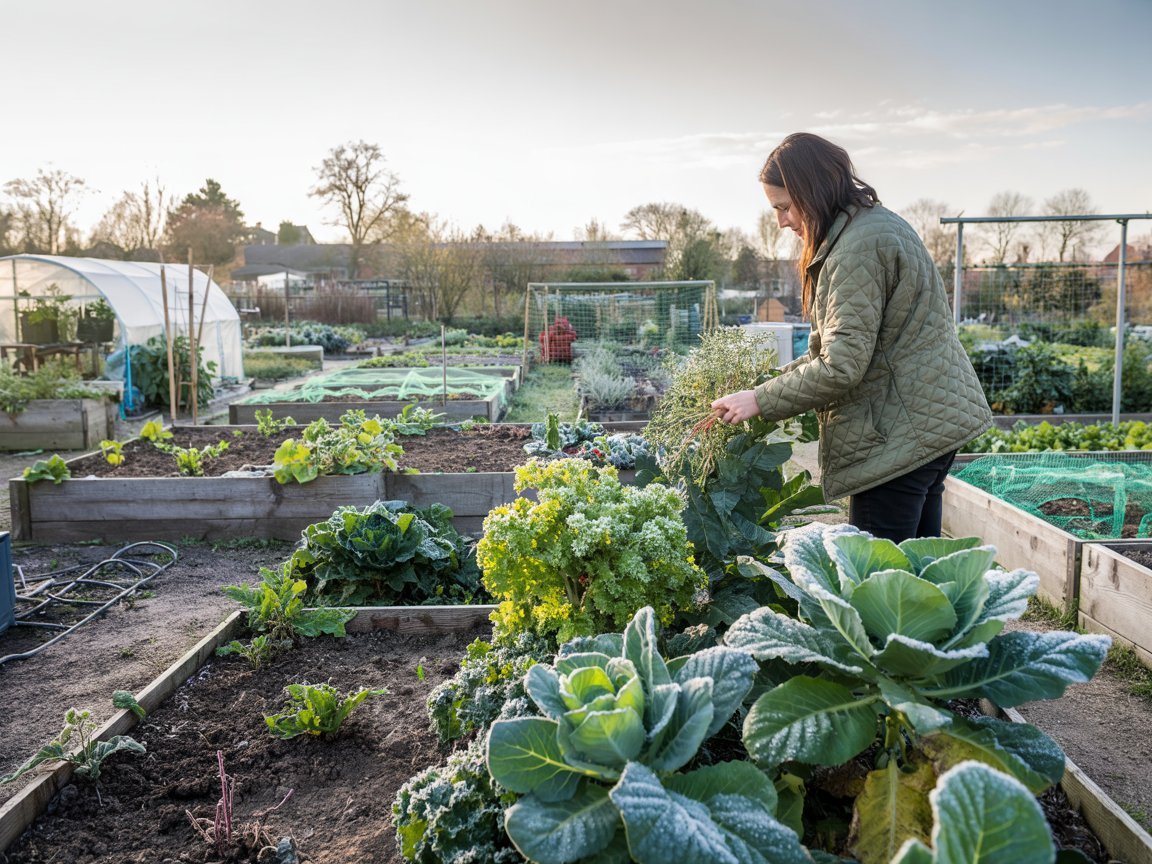
7 Essential Jobs To Do In Your Garden Before Winter Hits
As someone who gardens in a normal back garden with an allotment on the side — and who has just spent the last few weeks clearing beds, building a polytunnel, and battling the first frost — I know how important it is to choose the right things to do in your garden before winter arrives. Over the years, I’ve learned exactly which tasks make the biggest difference to spring growth, plant health, and your own peace of mind.
This guide brings together the most practical, realistic jobs you can do in your garden before winter: from bed clearing and soil care to wildlife support, tool prep, and small-space planning. By focusing on a handful of key things to do in your garden before winter, you can step into spring already a few steps ahead instead of starting from cold, muddy chaos.
Preparing your garden before winter is essential for protecting perennials, maintaining soil structure, and reducing pest and disease issues in the following year. The most important things to do in your garden before winter include clearing spent growth, improving soil condition, protecting vulnerable plants, and organising tools and structures for colder months.

Key tasks typically include:
- Clearing annuals and removing diseased foliage to prevent overwintering pathogens.
- Applying compost or organic mulch to beds to insulate roots and improve soil nutrition.
- Protecting frost-sensitive crops and ornamentals using fleece, cloches, or polytunnels.
- Pruning and tying in perennials that benefit from winter stability rather than autumn cuts.
- Planting overwintering crops, such as garlic, broad beans, and winter onions.
- Cleaning and repairing tools, greenhouses, and water systems, reducing spring workload.
- Wildlife support steps, including leaf piles, water sources, and habitat areas.
Completing these jobs helps preserve soil health, reduce spring labour, and set a stable foundation for next year’s planting. Incorporating protection strategies such as mulching, wind-proofing, and frost management is vital during the UK’s increasingly unpredictable winters.
These are just the essentials — but each section below breaks down the practical steps, small-space adaptations, and real-life lessons I’m applying right now in my own garden. Let’s get your space winter-ready, one simple job at a time.
1 Clear, Tidy & Prep Your Beds Before the Frost Sets In
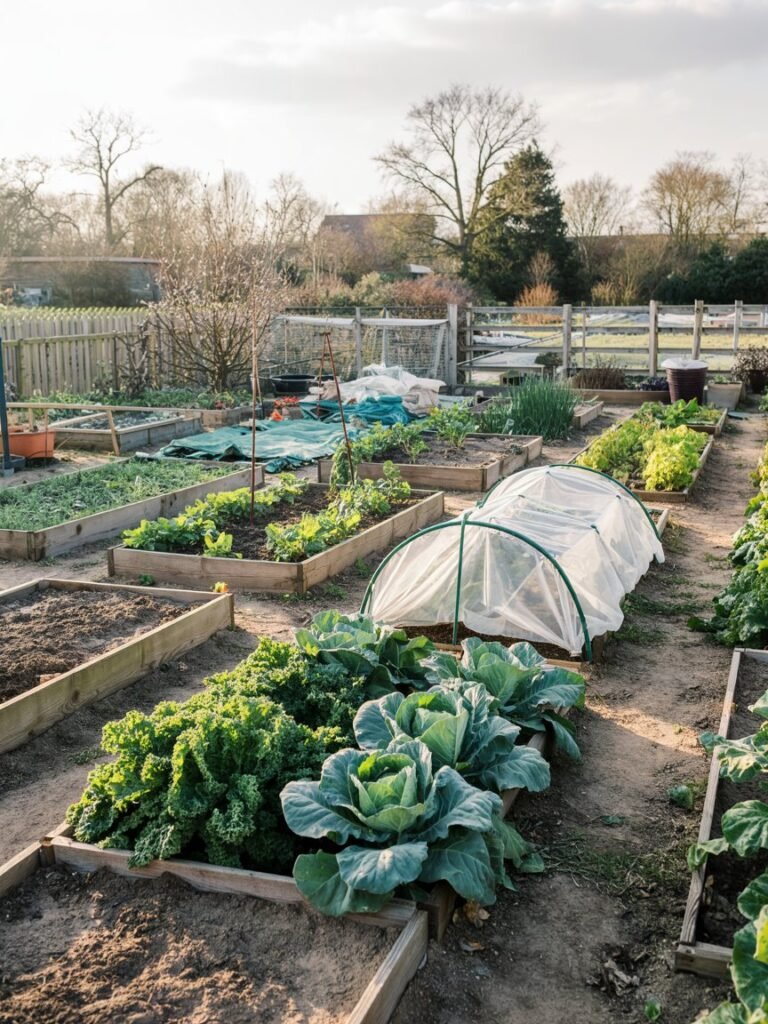
Preparing your beds is the first — and most satisfying — job to tackle before winter properly sinks its teeth in. A good clear-out not only makes next spring easier, but also helps protect the soil, reduce pests, and keep your growing space healthy through the colder months.
This is usually the very first thing I recommend you do in your garden before winter, because it sets up everything else.
Remove Spent Plants & Diseased Foliage
Start by pulling up any annuals, dead vegetable crops, and foliage showing signs of mildew, blight, rust, or black spot. These diseases overwinter astonishingly well in the UK climate and will reappear in spring if left in place. Anything that looks questionable should go straight into the bin, not the compost heap.
Healthy green waste, on the other hand, can be safely composted or used as mulch if chopped small.
Know What to Leave Standing
Not everything needs stripping out. In fact, leaving some plants intentionally messy is one of the kindest things you can do for wildlife:
- Hollow stems offer shelter for solitary bees
- Seed heads feed goldfinches, robins, and sparrows
- Low, scruffy foliage gives frogs, beetles, and hedgehogs a safe place to hide
In my latest garden video, I cleared the very last of the celeriac bed — and there was a frog staring back at me with a sort of “excuse me, human?” expression. A perfect reminder to tidy the beds, yes, but always leave nature her hidey-holes.
Small Garden Tips: Maximise Every Inch
If you’re working with a back garden rather than acreage, winter prep looks a little different:
- Chop spent plants into smaller pieces to speed composting
- Stack prunings or leaf piles neatly in corners to create habitat
- Use vertical space for drying or storing canes
- Bag up spare leaves now to make leaf mould for next year
- Mulch deeper in raised beds, where soil temperature drops faster
And if you’re planning a full spring overhaul, this is the perfect time to grab the Garden Transformation Starter Guide — your planning workbook that walks you through reorganising your entire space with ease.
Learn More: Permaculture in Small Spaces
For a more natural, wildlife-friendly way to structure your winter garden tidy-up, you can explore the principles of permaculture in miniature here on Back To The Good Life:
Helpful Tools for This Job
- Affordable 120L pop-up garden bags — ideal for hauling soggy autumn foliage without bending your back
- Bundle of horticultural fleece sheets — tuck a few into the shed now ready for hard frosts
2 Improve Your Soil: Mulch, Compost & Winter Feeding
Once your beds are cleared, the next essential thing to do in your garden before winter is give your soil the attention it deserves. Winter is, hands down, the best time to focus on soil care — even though it looks like nothing is happening on the surface, there’s a whole world of activity below it.
If you only pick a couple of jobs to do in your garden before winter, improving your soil should always be on that shortlist.
Why Winter Is the Best Time for Soil Care
When the cold sets in, the soil begins a natural cycle that works beautifully in your favour:
- Worm activity continues deep underground, redistributing organic matter and slowly improving structure.
- Frost heave gently breaks up compacted soil, improving drainage over time.
- Nutrient cycling slows but doesn’t stop, meaning compost and mulch have months to settle into the top layer before spring planting.
The RHS recommends adding organic matter in late autumn or early winter to improve soil structure, retain moisture, and support beneficial organisms that keep your beds thriving year after year. Even a thin layer now gives your soil months to improve quietly while you’re tucked up indoors.

What to Apply (and What to Avoid)
Not all mulches are equal — but winter is a forgiving, flexible time to work with whatever you have.
Homemade Compost
Perfect for all beds. Spread a generous 2–5cm layer over the surface and let winter do the rest. No need to dig it in; the worms will handle that.
Leaf Mould
Black gold for improving soil texture. If you bagged up autumn leaves last year, they should be crumbly and ready to spread now.
Well-Rotted Manure
Ideal for hungry crops like brassicas and squash — as long as it’s properly aged. Fresh manure will scorch roots and unbalance nutrients.
Seaweed
If you live near the coast, rinsed seaweed is an excellent winter mulch. It breaks down fast and adds trace minerals most soils lack.
Avoid Fresh Manure on Early-Sowing Beds
Beds where you’ll sow carrots, onions, or early spring salads should stay manure-free. Fresh manure can lead to forking, rot, and lush-but-weak growth in early crops.
This year I’m mixing compost from four different heaps — including the infamous “Twig Mountain” pile — and spreading it over the new beds in thick, satisfying blankets. It should turn into the richest soil I’ve ever had, dark and crumbly with that forest-floor smell that makes gardeners go all misty-eyed. Winter does the heavy lifting; I just had to shovel it on!
Recommended Tools & Supplies
These help make the job quicker, especially in small spaces where every tool needs to earn its keep:
- Compost aerator – for turning your heaps without breaking your back.
- Raised bed brackets – perfect for repairing or expanding beds before mulching.
3 Protect Your Plants From Frost, Wind & Winter Rain
One of the most important things to do in your garden before winter is make sure your plants are protected from the cold, wet, and often unpredictable British weather. A sudden frost, a week of sideways rain, or one of those “did someone order a gale?” storms can undo a whole season’s work in a single night — but a few simple steps now can save you a lot of heartache in spring.
Polytunnel Prep & How to Use It Through Winter
If you’ve been following my recent garden updates, you’ll know I finally built my first full-sized polytunnel this year. It’s already becoming the hardest working bit of the whole garden, especially now the cold is rolling in.
A little prep now makes a huge difference later:
1. Clean the Plastic
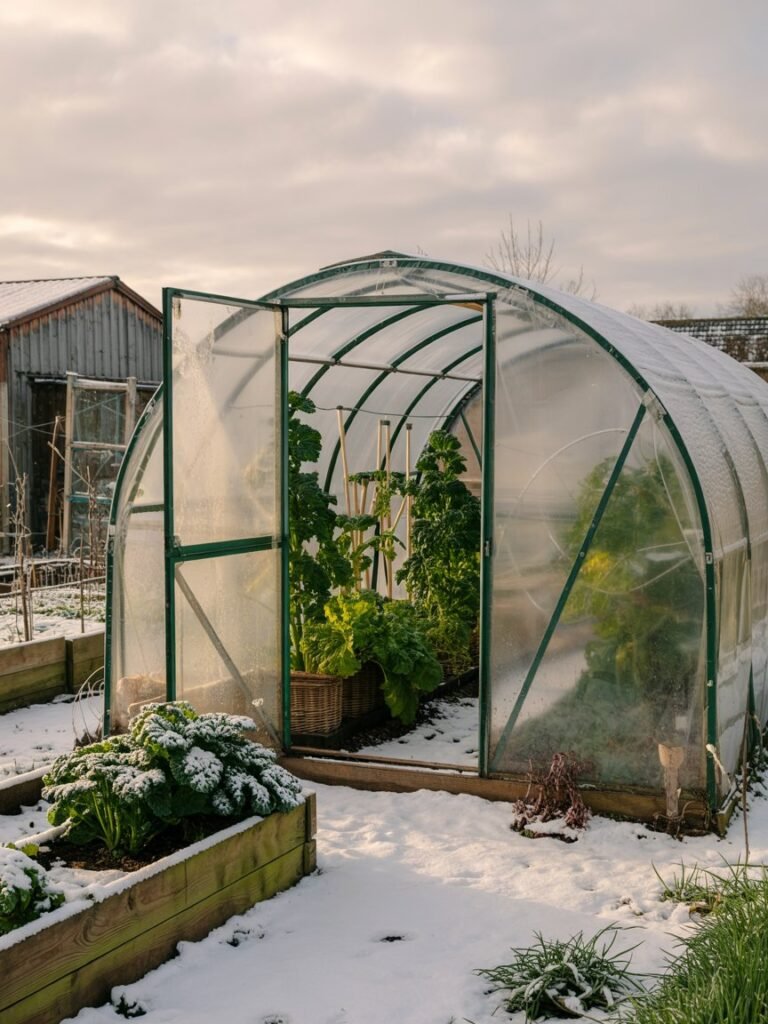
A quick wipe-down removes algae, dust, and summer grime so you get every bit of precious winter light. Even a 10% reduction in light can slow winter growth dramatically.
2. Secure Vents & Check Fixings
Winter wind will find any weakness. Make sure vents close properly and re-secure any clips or bolts that felt a bit wobbly during the build.
3. Add Thermal Mass
Water barrels, paving slabs, or even tubs filled with soil absorb heat during the day and release it at night, helping to buffer against temperature dips. It’s a simple trick, but it works surprisingly well in a small tunnel.
Inside your polytunnel, you can overwinter hardy salads, bring herbs under cover, or give your brassicas a fighting chance of staying upright in stormy weather. It becomes a cosy refuge for plants — and honestly, for you too on a damp January afternoon.
Frost Protection Techniques That Actually Work
The RHS’ winter plant protection guidelines recommend combining multiple layers of defence, depending on your garden’s exposure.
A sudden frost, a week of sideways rain, or one of those ‘did someone order a gale?’ storms can undo a whole season’s work in a single night — but a few simple steps now can save you a lot of heartache in spring. These are some of the most protective things you can do in your garden before winter, especially if you grow tender plants.
Here are some tried-and-tested methods:
Horticultural Fleece
A lightweight fleece sheet over tender plants can raise temperatures underneath by a couple of degrees. It’s especially useful for herbs like rosemary, thyme, and sage that hate cold, wet roots.
Cloches
Great for salad crops, overwintering onions, and anything you’re trying to nurse through a cold snap. Recycled plastic bottles make brilliant DIY versions if you’re low on space or funds.
Straw Mulch
Spread around the crowns of late brassicas, dahlias, and fragile perennials to create a warm buffer. Just be careful not to smother the plants themselves.
Grouping Pots Together
Potted herbs and shrubs are far more vulnerable than anything in the ground. Cluster them close to a wall, wrap the outer pots in fleece or bubble wrap, and keep them off the ground with bricks or pot feet.
Plants That Need Extra TLC Over Winter
Some plants simply aren’t built for British winters, especially when the weather swings between mild, wet spells and harsh overnight frosts. Keep an eye on:
- Dahlias – either lift the tubers or mulch them deeply if you’re in a mild area.
- Potted Herbs – rosemary, thyme, and sage dislike waterlogged pots.
- Late Brassicas – wind rock weakens roots, so firm them in well and stake if needed.
- Tender Shrubs – things like bay, fuchsia, and hydrangea appreciate a fleece jacket for the coldest nights.
Helpful Tools & Supplies
- Small Polytunnel kit – ideal for small gardens or allotments needing all-weather space.
- Fleece tunnels – quick to set up and perfect for half beds of winter greens.
4 Plant the Crops That Actually LOVE the Cold
One of the most practical things to do in your garden before winter is to plant the crops that thrive in cold weather. Winter planting isn’t just possible in the UK — it’s one of our biggest advantages. The soil is still warm enough to work with, the pests have retreated, and the short days help certain crops grow stronger, not weaker.
If you’re making a list of what to do in your garden before winter, adding at least one cold-loving crop is a brilliant way to keep your space productive.
What You Can Still Plant Now
You don’t need a mild climate, a fancy greenhouse, or a huge amount of time. Just a bed or even a few containers will do.
Garlic
The perfect winter crop. Plant individual cloves pointy-end up, about 10–15cm apart. Cold temperatures help the bulbs split into proper cloves.
Broad Beans
Autumn-sown beans are usually sturdier and produce earlier crops than spring-sown ones. ‘Aquadulce Claudia’ is the classic overwintering variety.
Onion Sets
Plant hardy sets in rows or containers now for early summer harvesting. They love cold soils as long as they’re not waterlogged.
Winter-Hardy Salads
Varieties like lamb’s lettuce, mizuna, claytonia (miner’s lettuce), and winter lettuces will happily sit under fleece or inside a cold frame. You’ll get slow, steady growth through the darkest months.
Why Winter Sowing Works in the UK
Winter sowing has some real advantages — especially if your brain (like mine) rebels at trying to do everything in April.
Stabilises Soil Temperature

Winter-planted crops settle in gently and aren’t shocked by sudden temperature swings in early spring.
Gives Crops a Head Start
Garlic, onions, and broad beans planted now break the soil surface earlier and grow stronger than their spring equivalents.
Reduces Spring Overwhelm
Honestly, this might be the biggest perk. When the seed-starting avalanche hits in March, every job feels urgent. But when half your crops are already tucked into the soil? Bliss. Absolute bliss for the ADHD brain.
Last year’s garlic was the best I’ve ever grown — fat bulbs, strong stalks, and barely a hint of rust. And all I did was pop the bulbs into the ground in mid-November between rain showers. No complicated prep, no fuss. Sometimes winter really does do the work for you.
Helpful Product Ideas
- Garlic varieties pack – a mix of softneck and hardneck types perfect for UK winters.
- Sutton Dwarf broad bean bundle – hardy broad bean seeds ideal for cold sowing.
- Small greenhouse trays – great for starting winter salads or giving onion sets a head start.
5 Prep Structures, Tools & Water Systems for Winter Survival
Another essential thing to do in your garden before winter is to check the infrastructure that keeps your garden running. Tools, water systems, fences, beds — they take a real beating once the cold, wind, and rain roll in. A bit of attention now saves you a world of repair work in spring.
It might not be as glamorous as planting, but this is one of those quiet jobs to do in your garden before winter that saves you money and stress later on.
Tool Care: Sharpen, Clean & Oil
Winter is when neglected tools start to rust, especially if they live in a chilly shed. Give everything a quick refresh:
- Clean off any dried soil
- Sharpen blades on secateurs, loppers, and hoes
- Oil metal parts lightly
- Wipe handles down to prevent cracking
Even five minutes per tool can prolong its life by years. Rust is far more aggressive in damp winter air, so a thin layer of oil is basically a warm coat for cold steel.
Rainwater System Prep
Your water system needs just as much love as your plants:
Empty & Lag Barrels
If water freezes inside, it expands — and that’s how taps crack, seams split, and barrels bulge. I learned this the hard way: after losing half a rain barrel last year when the tap froze solid, this job is now non-negotiable for me.
Clean Gutters
Clearing leaves and moss now prevents overflows and protects your shed or greenhouse structure from winter leaks.
Add Lagging to Exposed Pipes
Cheap foam lagging does the job beautifully and protects taps, butt-linking kits, and hose connectors from frost damage.
Fix or Check Key Garden Structures
Winter has a habit of revealing every weakness you forgot about in summer. Before storms hit, walk around and check:
- Fences – wobbling posts, loose panels, or places where soil erosion is creating gaps
- Shed Roof Felt – small tears become major leaks under winter rain
- Greenhouse Panels – tighten clips, re-seat any panels that shift in the wind
- Raised Beds – check corner screws, brackets, and any bowing sides
A quick inspection now saves you waking up in January to a panel-less greenhouse and a cold cup of guilt.
6 Winter Wildlife Support (Small Space Friendly)
While you’re working through the jobs to do in your garden before winter, it’s easy to focus only on plants and forget about the little lives that share your space. Winter is one of the hardest seasons for wildlife, especially in small gardens where shelter and food vanish almost overnight.
A few thoughtful tweaks now can make your plot a genuine haven through the cold months.
Treat Your Garden as a Habitat
Even the smallest space can offer warmth, food, and shelter if you lean into a slightly wilder winter approach. You don’t need acres, a woodland edge, or a perfectly designed wildlife garden — just a willingness to leave a few pockets of nature untouched.

Leave Some Leaves
A tidy lawn might look neat, but a light scattering of leaves is a winter blessing. Ladybirds, beetles, and butterflies overwinter in leaf litter, and birds forage through it for insects. Push leaves into corners, under shrubs, or between raised beds to create natural “duvets.”
Build Log Piles
A simple stack of logs or chunky branches becomes instant habitat for beetles, spiders, and even hibernating hedgehogs if you’re lucky. In a tiny garden, even a 1ft pile tucked behind a shed works wonders.
Keep a Water Source Ice-Free
Those frosty mornings are beautiful — unless you’re an amphibian. Our frog pond froze this week, so I’ve added the obligatory tennis ball to stop it icing over completely. Gaston, Marie, and Pierre will thank me later, I’m sure. This simple trick keeps a small opening in the ice so wildlife can drink safely.
Create Frog & Hedgehog Hideaways
Old pots on their sides, bundles of twigs, bricks with gaps between them — anything with a little sheltered cavity will be welcomed by cold creatures seeking refuge. If you have a hedgehog visit your garden, a quiet corner left undisturbed can make all the difference.
Helpful Wildlife Support
A few small additions can turn even the most compact garden into a thriving winter ecosystem:
- Hedgehog houses – perfect for tucked-away corners
- Bird feeders – especially valuable when natural food sources run out
- Solar bird bath heater – keeps water accessible during frosty spells
So when you’re deciding what to do in your garden before winter, leave a little room for the creatures who live alongside you.
Download the Garden Transformation Starter Guide
If you’re using these colder months to get organised for next year, now is the perfect time to map out your space properly. Our Garden Transformation Starter Guide is a step-by-step workbook designed to help you plan, organise, and reshape your growing space — whether you’re working with a tiny back garden, an allotment, or a handful of pots.
It’s especially helpful when you’re doing your winter tidy-up and want to head into spring feeling prepared rather than overwhelmed.
👉 Download your free guide here and start designing the garden you’ve been dreaming about.
6 Organise Seeds, Labels, & Your Growing Plan for Next Year
As the garden winds down, this is one of the most satisfying things to do in your garden before winter: getting your seeds, plans, and labels sorted for the year ahead. Not only does it set you up for a calmer spring, it also transforms the December–February lull into a cosy, productive planning season rather than a frantic “where did I put those beetroot seeds?” panic in March.
As the garden winds down, this is one of the most satisfying things to do in your garden before winter: getting your seeds, plans, and labels sorted for the year ahead. It’s also one of the easiest things to do in your garden before winter if you’re low on energy but still want to feel productive.
Store Your Seeds Properly
Seeds last far longer when stored in the right conditions:
- Cool
- Dark
- Dry
- Airtight
Glass jars, metal tins, or dedicated seed organisers work brilliantly. You can divide packets by month, crop family, or bed layout — whatever makes your brain purr rather than panic.
If you save your own seed, make sure it’s fully dry before storing. Even a teaspoon of moisture inside a jar can turn your entire stash into a furry biological experiment by spring.
Start Planning Your Layout Early
Winter is the absolute best time to think about:
- What you want to grow
- Where it will live
- How much space you’ll realistically use
- What failed this year (and why)
- What brought you joy
This is exactly where the Garden Transformation Starter Guide comes into its own. It walks you through mapping your space, creating zones, planning rotations, and designing a garden that works with your lifestyle rather than against it.
Think About Rotations & Small-Space Tactics
Even the tiniest garden can follow a simple rotation:
- Brassicas
- Roots
- Alliums
- Legumes
- Salads/quick crops
This helps balance nutrients and reduce pest build-up. If you’re short on space, rotate by container or grow bag, or even rotate by vertical position (e.g., swapping climbing crops with bush crops). Small gardens are more flexible than we give them credit for.
Label Everything (Your Future Self Will Thank You)
Good labels are the difference between calm and chaos in spring. I’ve been using my Phomemo label printer lately to make tidy waterproof seed labels — and honestly, it’s a game-changer. This is something I’ll be incorporating into future Grow Make Learn kits too, because the right label at the right moment saves you so much time (and so many “what did I plant here?” moments).
Helpful Tools for Seed & Planning Organisation
- Seed storage organiser – keeps packets dry, sorted, and easy to flick through
- Waterproof labels – ideal for outdoor pots and seedling trays
- Garden planning app – great for visual layouts, reminders, and easy crop rotation tracking
👉 Ready to go deeper on year-round growing, seasonal DIYs, and small-space self-sufficiency?
Join the Grow Make Learn community for monthly inspiration, guides, and practical projects to grow, make, and learn — one skill at a time.
Conclusion
Preparing your space early means you step into spring confident, organised, and already ahead of the season. The more you do in your garden before winter, the less chaos you face when the days get longer and the gardening itch returns. Choosing just a handful of simple, realistic things to do in your garden before winter can completely change how next year feels.
Quick Checklist of Things To Do In Your Garden Before Winter
If you’re short on time or energy, here’s a simple checklist of core jobs to do in your garden before winter. You don’t have to do them all in one weekend — pick one or two at a time and chip away gradually.
Key things to do in your garden before winter:
- Clear spent plants and diseased foliage – the very first thing to do in your garden before winter if you want to reduce pests and diseases next year.
- Mulch and feed your soil – one of the most powerful things you can do in your garden before winter to boost fertility without any spring digging.
- Protect tender plants from frost and wind – a crucial job to do in your garden before winter if you grow dahlias, potted herbs, or tender shrubs.
- Plant hardy winter and overwintering crops – another practical thing to do in your garden before winter so garlic, broad beans, and onions get a head start.
- Check tools, beds, and water systems – a sensible thing to do in your garden before winter to prevent breakages and panic fixes in January.
- Create simple wildlife shelters – one of the easiest, most rewarding things to do in your garden before winter, especially in a small space.
- Organise seeds and plan your layout – a quieter, cosy job to do in your garden before winter that pays off massively when sowing season hits.
You don’t need to tackle every single thing to do in your garden before winter perfectly. Focus on the jobs that matter most to you and your space, and slowly build your own winter prep routine year by year.




One Comment