
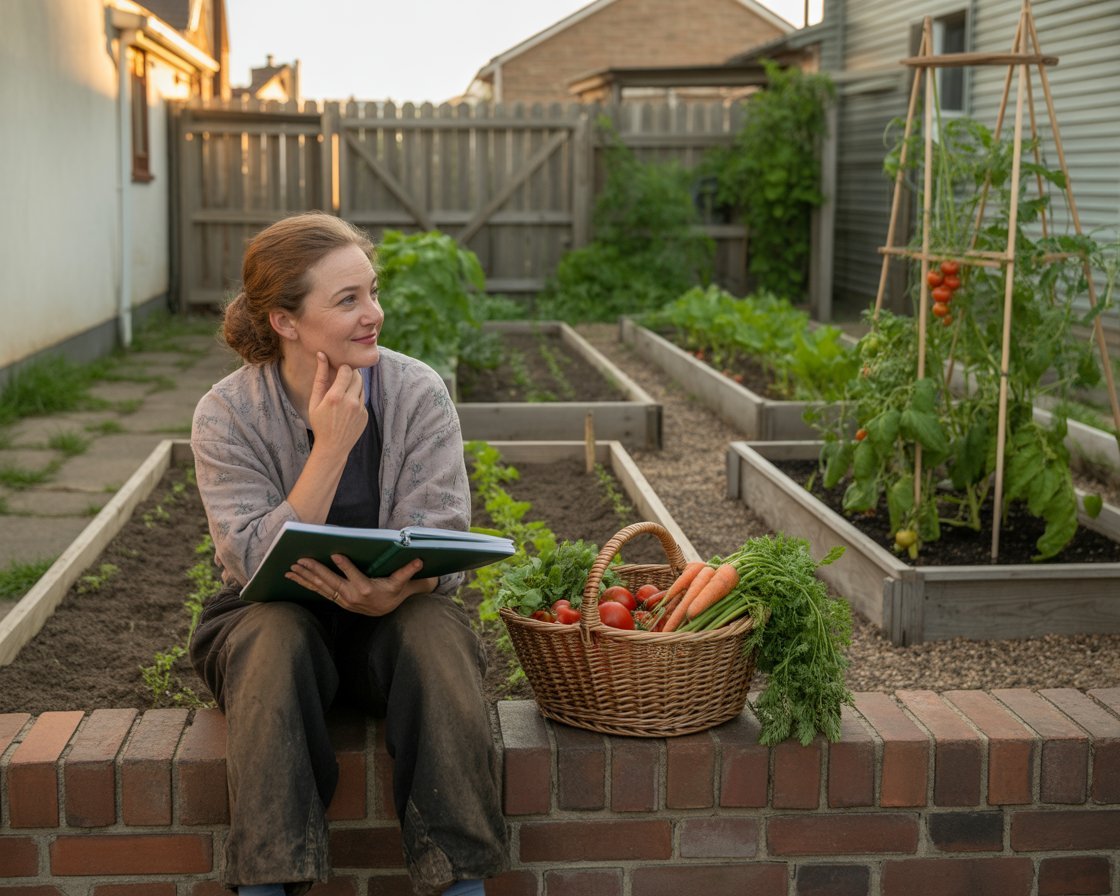
10 Things You Can Still Plant in Autumn (UK Guide)
Autumn might feel like the time to pack away your trowel, but for self-sufficient gardeners, it’s just another planting season in disguise. At Back To The Good Life, we’ve been growing through every British season for years—often with little more than tubs, recycled compost, and determination. If you’ve ever wondered what to plant in autumn, this guide will walk you through the best crops and flowers that thrive as the weather cools.
Many gardeners assume autumn marks the end of the growing season, but in the UK, it’s actually a window for hardy crops, overwintering greens, and spring preparation. The key to success lies in choosing plants that tolerate short daylight hours and cooler soil.
Here’s what you can still plant in autumn:
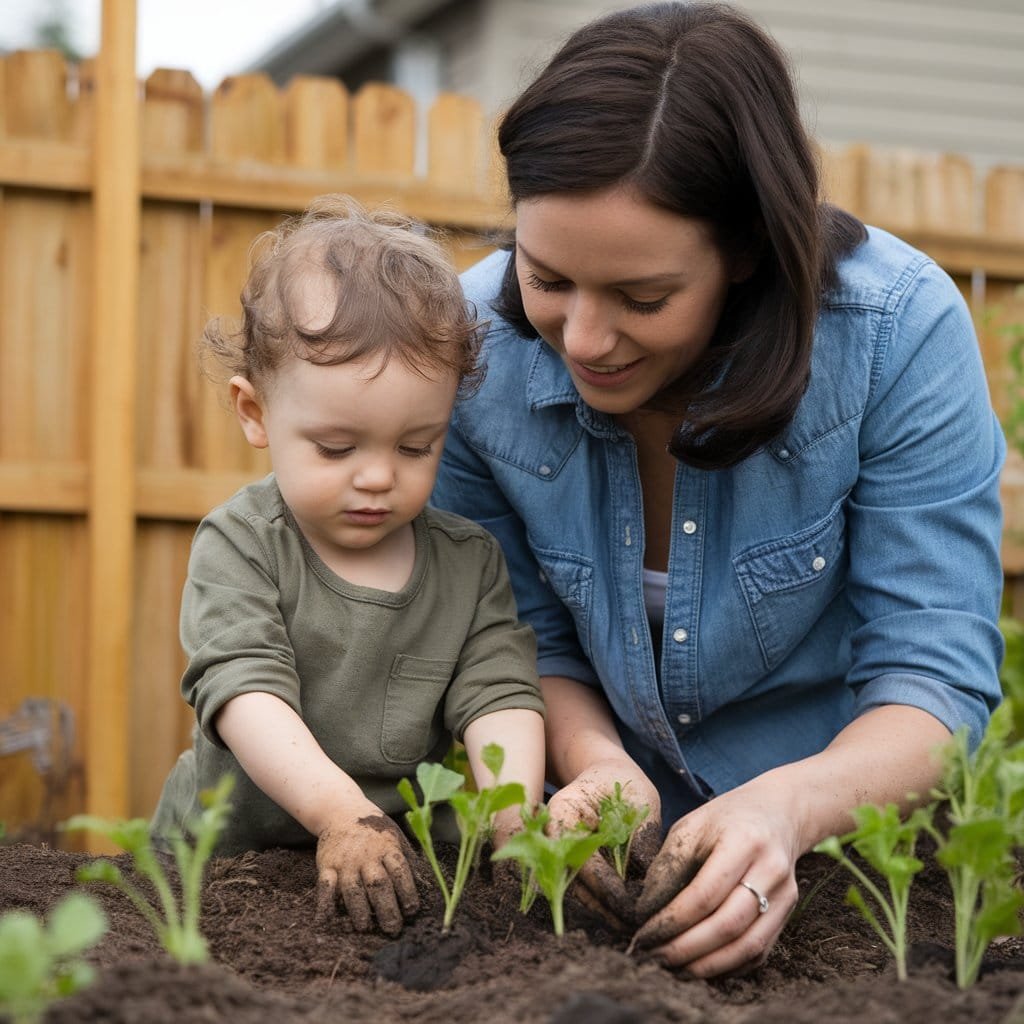
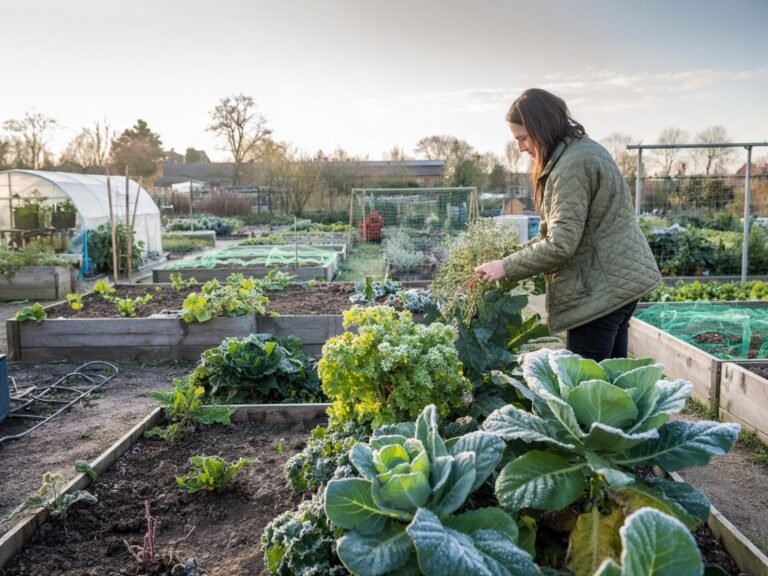
- Leafy Greens: Spinach, kale, mustard greens, and winter lettuce varieties thrive in cooler temperatures and can be harvested well into December.
- Roots and Bulbs: Garlic, onions, and spring bulbs like tulips or daffodils benefit from autumn planting, developing strong roots before winter.
- Herbs: Hardy herbs such as parsley, chives, and thyme can be grown in containers close to the kitchen for easy access.
- Cover Crops: Green manures like field beans protect soil health and add nutrients for spring planting.
- Perennials: Autumn is an ideal time to plant fruit bushes or perennials like rhubarb crowns, allowing them to settle in before next summer.
Top tip: When you plant in autumn, focus on soil warmth rather than air temperature—using cloches, fleece, or cold frames can extend your season dramatically.
If you’ve ever thought you’ve missed your chance to grow, think again! There’s plenty you can still plant in autumn to keep your garden alive, even if you only have a patio or windowsill.
Why You Should Still Plant in Autumn
For many new growers, autumn feels like the full stop at the end of the gardening season. The tomatoes have ripened, the courgettes have slowed, and the evenings draw in earlier each day. But in truth, autumn is one of the most strategic times to sow, plant, and prepare. The ground is still holding summer’s warmth, the soil is moist from regular rain, and pests are finally beginning to die back — all of which create near-perfect growing conditions for hardy crops.
When you plant in autumn, you’re setting the stage for next year’s success. It’s about working with the rhythm of the seasons rather than against it. Plants sown now can quietly put down strong roots while the rest of the garden rests. By the time spring rolls around, they’re already established and ready to surge into growth, weeks ahead of anything newly sown.
The Science Behind Autumn Planting
The soil temperature in most parts of the UK stays above 7°C until late November — warm enough to encourage germination and root development for those who plant in autumn. This lingering warmth, combined with steady autumn rain, keeps everything watered without the need for constant tending. With fewer pests around and cooler air settling in, your plants have a calmer environment to get established and build strong root systems before winter.
When you plant in autumn, you’re giving certain crops exactly what they need to thrive. Garlic, for instance, relies on the winter chill to divide into cloves, while kale becomes sweeter after the first frosts. Even spring bulbs like daffodils and tulips depend on that cold dormancy to bloom their best. Nature, it turns out, knows exactly what it’s doing.
Tip: Use a soil thermometer if you’re unsure whether it’s still warm enough to plant in autumn — it’s one of those inexpensive tools that can make a huge difference in your timing and results.
Healthier Soil and Happier Pollinators
Autumn planting also helps your soil. Bare ground loses nutrients through rain and erosion, but keeping roots in the soil — even small cover crops or winter greens — locks that goodness in place. Every root system acts like a sponge, holding moisture and improving structure for next year.
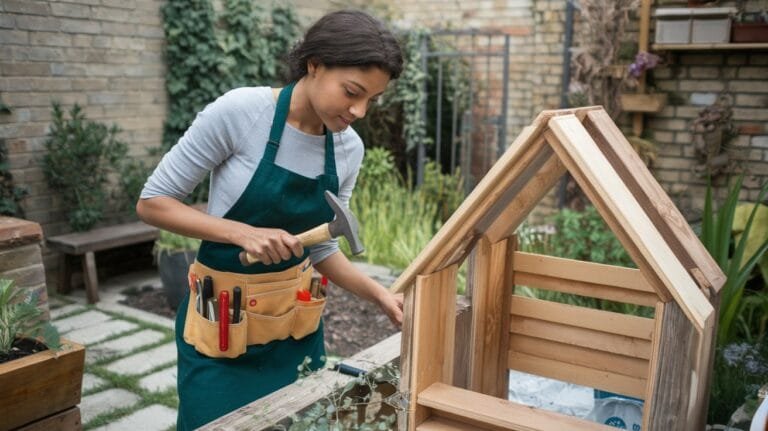
If you’ve recently built new beds (as we just did from old scrap wood and leftover screws), getting them filled and planted now means they’ll be ready to burst into life come March. Even a layer of mulch or green manure can make all the difference to your soil health over winter.
Our Grow Make Learn Monthly Box will soon include seed and compost bundles tailored to the season — join the waiting list now to get early access when the Autumn Box launches.
A Season for Calm, Not Chaos
There’s something deeply grounding when you plant in autumn. Without the rush of summer harvests, you can slow down, observe your garden’s rhythm, and prepare for the seasons ahead. Autumn teaches you to plan, not panic.
When we first started growing, I used to pack everything away in September. Once the cucumbers and tomatoes were done, the garden looked bare, and I assumed the season was over. But one year, almost by accident, I tucked a few kale and spinach seedlings into the corner of a raised bed.
By January, those tiny plants were the only green life in sight — glistening with frost yet still producing. That winter changed everything. I realised that when you plant in autumn, you’re not finishing the season; you’re beginning a quieter, steadier phase of growth. Now it’s a yearly ritual that keeps us connected to the land, even as the days shorten.
Download our free Autumn Planting Guide – complete with sowing charts and companion plant ideas for small UK gardens and container growers. It’s the perfect starting point if you’re wondering what to plant in autumn this year.
Our Top 10 Best Things to Plant in Autumn (UK)
Even as the days shorten, there’s still plenty you can get into the ground before winter sets in. The key is choosing the right crops — hardy, quick-to-establish, and suited to cooler soil. Here are our top 10 things to plant in autumn, even if you’re growing in tubs or small raised beds.
1. Spinach
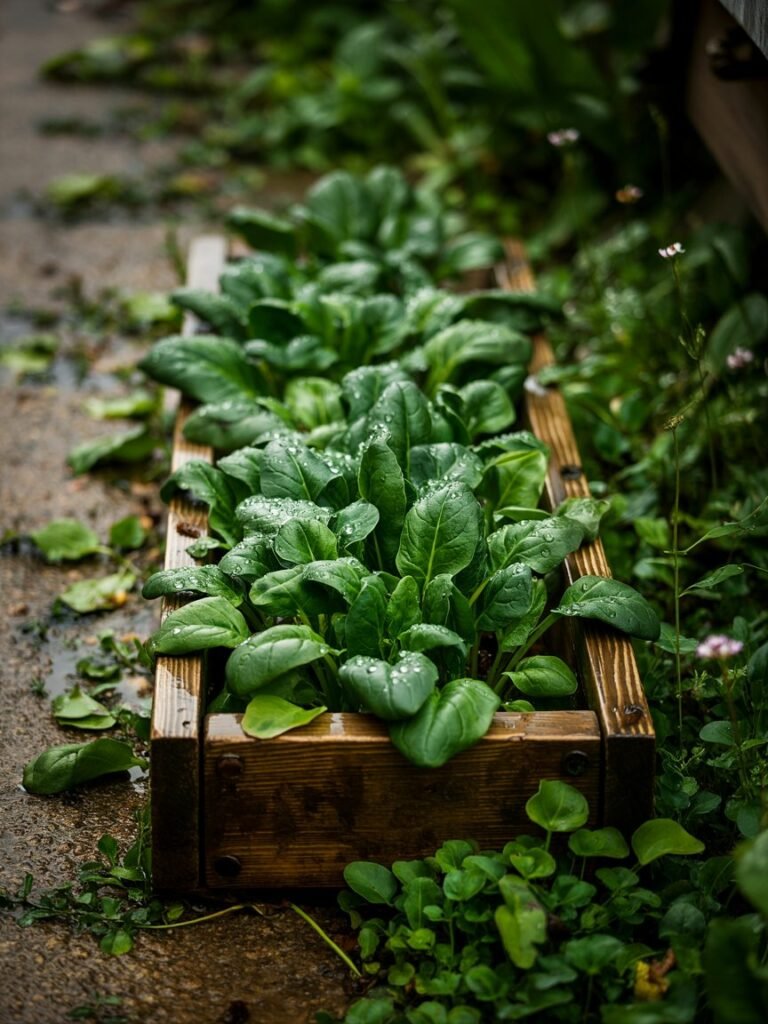
Planting window: September–November
Last sowing: Mid-November (under cover)
Best varieties: Perpetual Spinach, Giant Winter
Care: Sow direct or in trays 2 cm deep. Keep moist and pick outer leaves regularly. Cover with fleece in harsh frost.
Tip: Spinach thrives in coir compost and does well in shallow troughs — ideal for balcony gardeners.
Recommendation: Reusable Silicone Seed Starter Trays Set– perfect for cool-weather greens, and easy to pop out once you’re ready to grow on.
2. Garlic

Planting window: October–December
Last sowing: December
Best varieties: Solent Wight, Early Purple Wight
Care: Break bulbs into cloves, plant pointy end up 5 cm deep, 15 cm apart. Keep soil free-draining.
Why autumn? Garlic needs cold weather to split into cloves — plant now for harvest in June.
3. Onions & Shallots
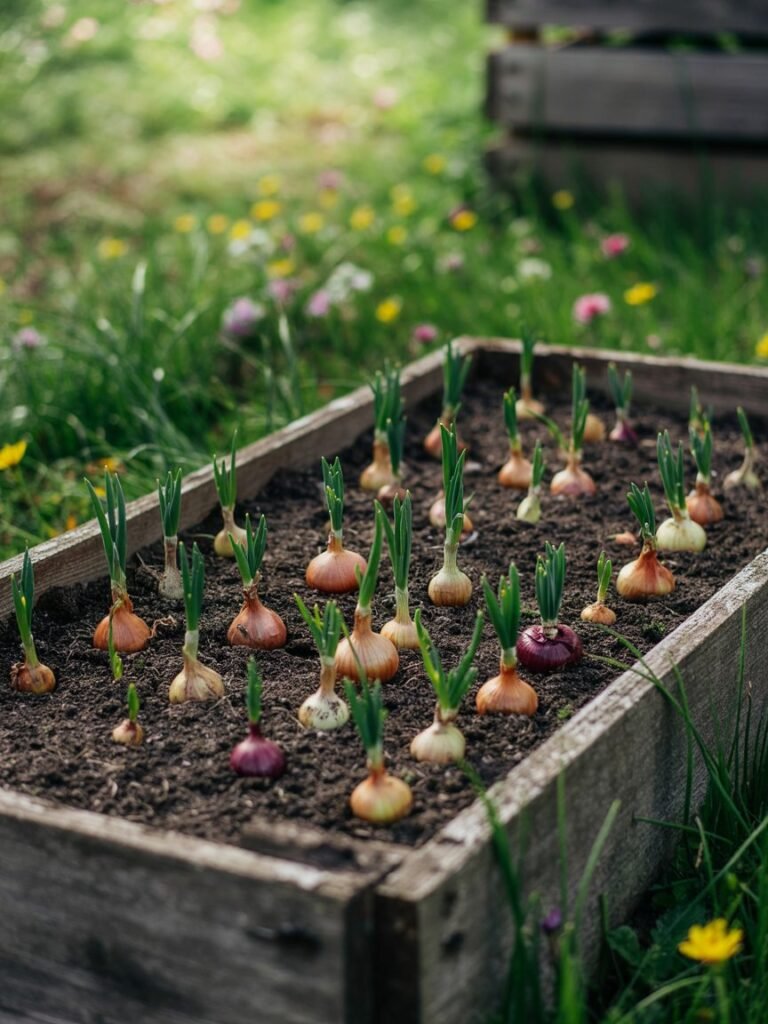
Planting window: September–November
Last sowing: Early November
Best varieties: Radar (onion), Golden Gourmet (shallot)
Care: Plant sets with the tips just showing above soil. Protect from birds until roots establish.
Grower’s note: I always tuck a few in around the edges of beds — they help deter pests and take up minimal space.
4. Spring Cabbage
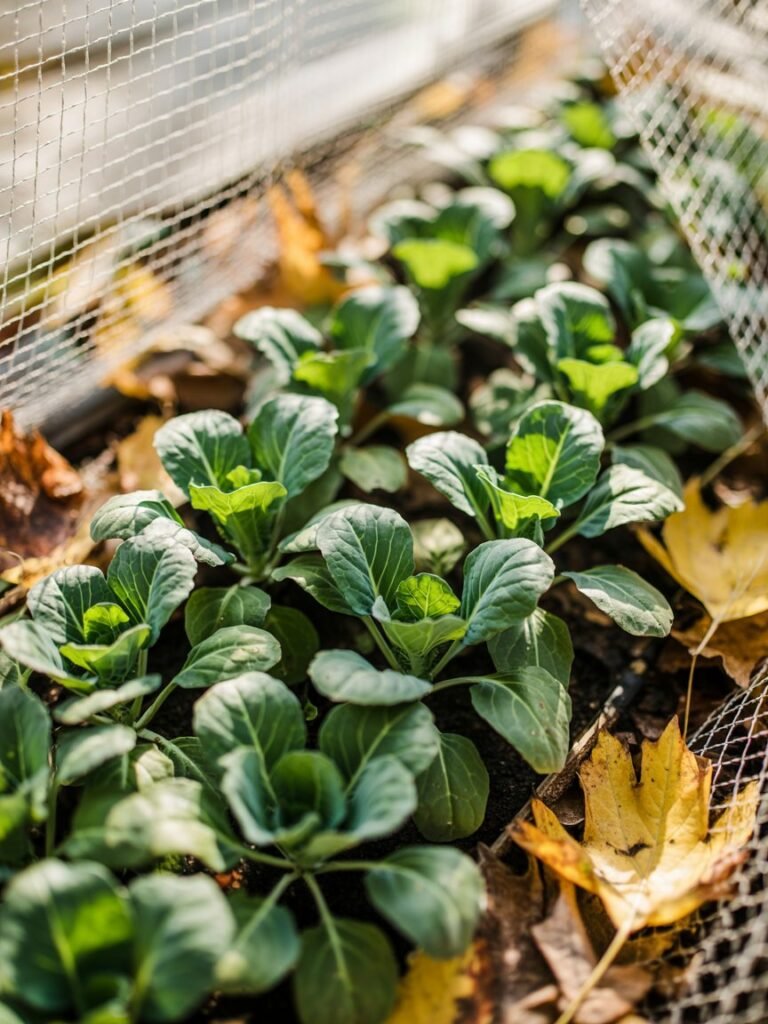
Planting window: August–October
Last sowing: Mid-October
Best varieties: Durham Early, Pixie
Care: Firm soil, 30 cm apart, and net against pigeons. Harvest from April onwards.
Bonus: Use leftover seedlings as “spring greens” — a double harvest from one sowing!
5. Kale

Planting window: August–October
Last sowing: Late October
Best varieties: Nero di Toscana, Red Russian
Care: Transplant seedlings 45 cm apart, mulch to protect roots, and harvest leaves regularly.
Personal Note: Our kale survived last year’s snow in nothing but a scrap-wood bed — it’s nearly indestructible.
Free Guide: Learn spacing and protection tips in the Autumn Planting Guide.
6. Carrots (Under Cover)

Planting window: September–October
Last sowing: October
Best varieties: Adelaide, Nantes Frubund
Care: Sow in deep tubs or cold frames with sandy soil. Thin seedlings early.
Tip: Cover with fleece to prevent carrot fly and keep soil warm through autumn nights.
7. Parsley
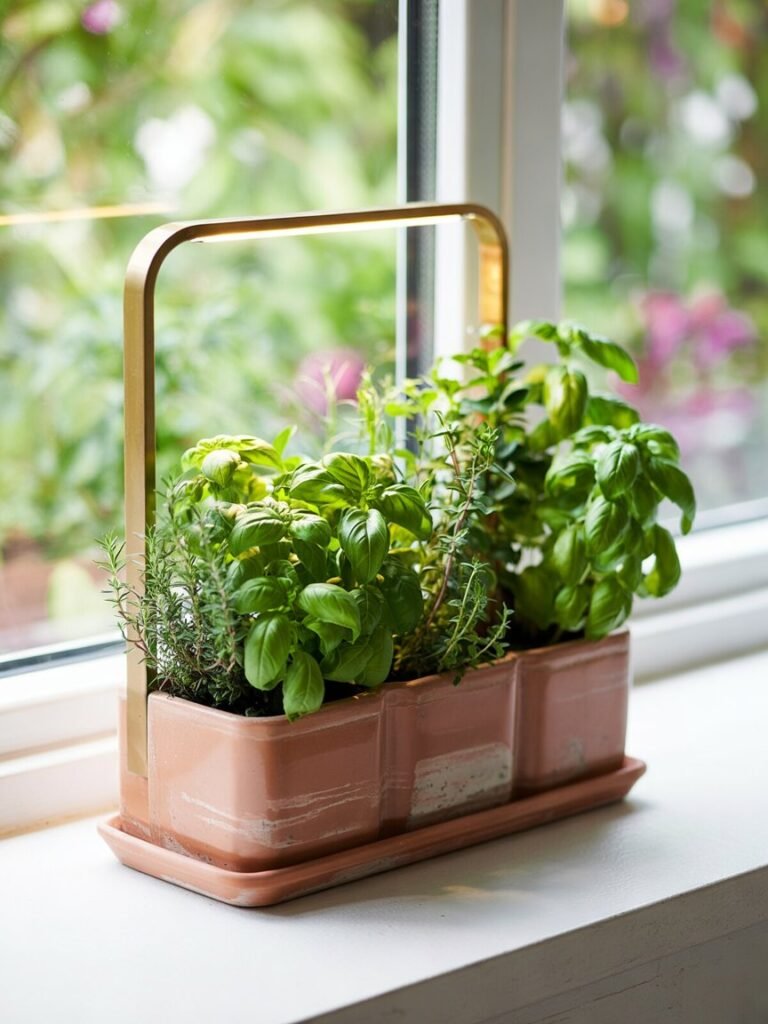
Planting window: September–November (indoors/outdoors)
Last sowing: November (windowsill)
Best varieties: Moss Curled 2, Gigante d’Italia
Care: Slow to germinate – soak seeds overnight. Keep in a bright, frost-free spot.
Recommendation: Compact Indoor Herb Planter with LED Grow Light – for year-round parsley
8. Hardy Annual Flowers

Planting window: September–October
Last sowing: October
Best varieties: Cornflower, Calendula, Poppy
Care: Sow directly where they’ll flower, rake lightly, and protect from heavy rain.
Grower’s note: We always tuck a few calendula seeds around veg beds — they bring colour and attract pollinators. Find our full flower companion chart in the Autumn Planting Guide.
9. Strawberries
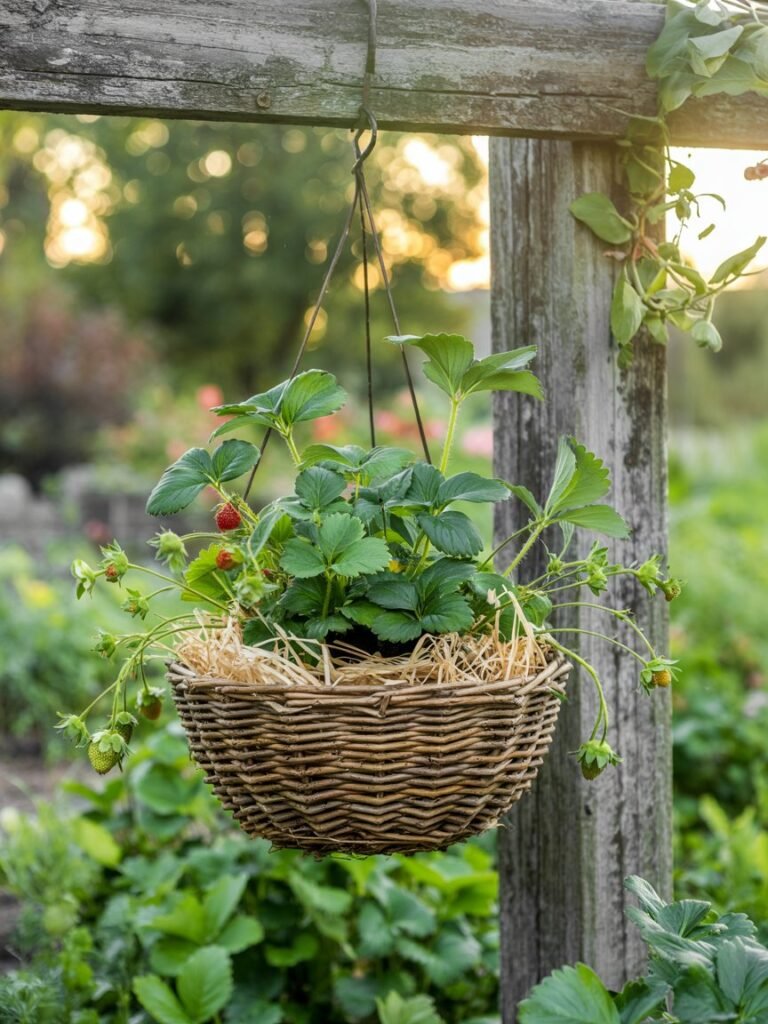
Planting window: September–October
Last planting: Late October
Best varieties: Cambridge Favourite, Flamenco (everbearer)
Care: Plant runners or young crowns into rich compost, water well, and mulch with straw.
Personal note: We planted ours in hanging baskets one autumn, and they fruited weeks earlier than expected the following spring!
10. Green Manure
Planting window: September–November
Last sowing: November
Best options: Field Beans, Crimson Clover, Winter Rye
Care: Broadcast seed over bare beds, lightly rake in. Chop down before flowering in spring to dig in or mulch over.
Why it matters: Keeps nutrients in the soil and stops winter weeds taking over
Quick Reference Autumn Planting Table
| Plant | Last Sowing | Varieties | Notes |
|---|---|---|---|
| Spinach | Mid-Nov | Giant Winter | Sow in trays or troughs |
| Garlic | Dec | Solent Wight | Needs cold to split |
| Onions | Early Nov | Radar | Plant sets, net if needed |
| Spring Cabbage | Mid-Oct | Durham Early | Protect from pigeons |
| Kale | Late Oct | Nero di Toscana | Frost sweetens leaves |
| Carrots | Oct | Nantes Frubund | Sow under cover |
| Parsley | Nov | Gigante d’Italia | Grow indoors |
| Hardy Flowers | Oct | Calendula | Sow direct |
| Strawberries | Oct | Flamenco | Plant crowns |
| Green Manure | Nov | Field Beans | Cut before bloom |
Small Space? Here’s How to Plant in Autumn Without a Garden
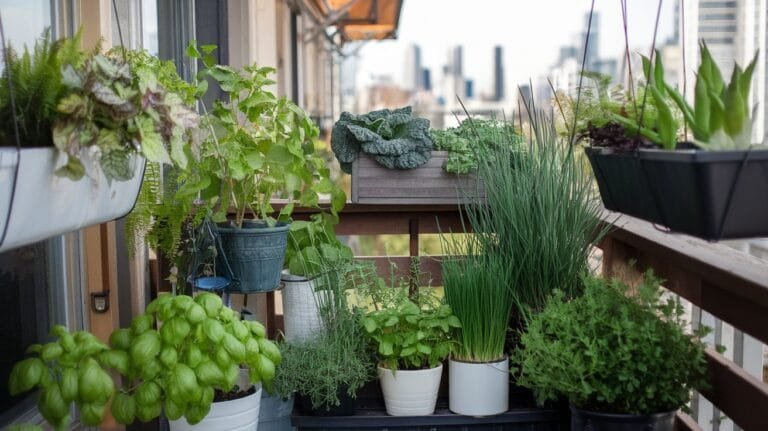
If you’ve ever thought you can’t plant in autumn because you don’t have a garden, think again. Some of our best harvests have come from containers, old crates, and recycled tubs on borrowed patios. Autumn growing is about creativity, not acreage — and even a handful of pots can keep you in greens through the colder months.
1. Grow Vertically
Maximise space by growing up rather than out. Use shelves, trellises, or hanging baskets for trailing herbs and strawberries.
Personal note: Our first autumn strawberries hung from an old pallet against the shed — by spring, they were bursting with fruit long before anything in the ground had woken up.
Recommendation: Modular Vertical Planter Tower – perfect for balconies and patios
2. Use What You’ve Got
You don’t need fancy containers — buckets, bread crates, or even storage boxes can become planters. Just make sure there’s drainage at the bottom.
Our setup: This autumn, we’re reusing old plaster tubs and food-safe barrels left from the move — they’re not pretty yet, but they’re already home to spinach, kale, and garlic.
Find creative container ideas and soil-saving hacks in the Garden Transformation Starter Guide.
3. Choose Compact Varieties
Select dwarf or baby versions of veg suited for confined roots:
- Baby spinach
- Dwarf kale
- Mini cabbages
- Radishes and salad leaves
Tip: These mature quickly, tolerate cooler temps, and regrow after picking — perfect for anyone with limited light or time.
4. Warm and Protect Your Soil
Autumn soil benefits from insulation. Add a layer of straw, mulch, or coir compost discs to lock in warmth and moisture.
Tip: Even a simple fleece tunnel or clear storage lid over a box can extend your growing window by a month or more.
👉 Affiliate: Compost Discs & Coir Starter Kit – lightweight, perfect for balcony growers
5. Make It a Habit, Not a Chore
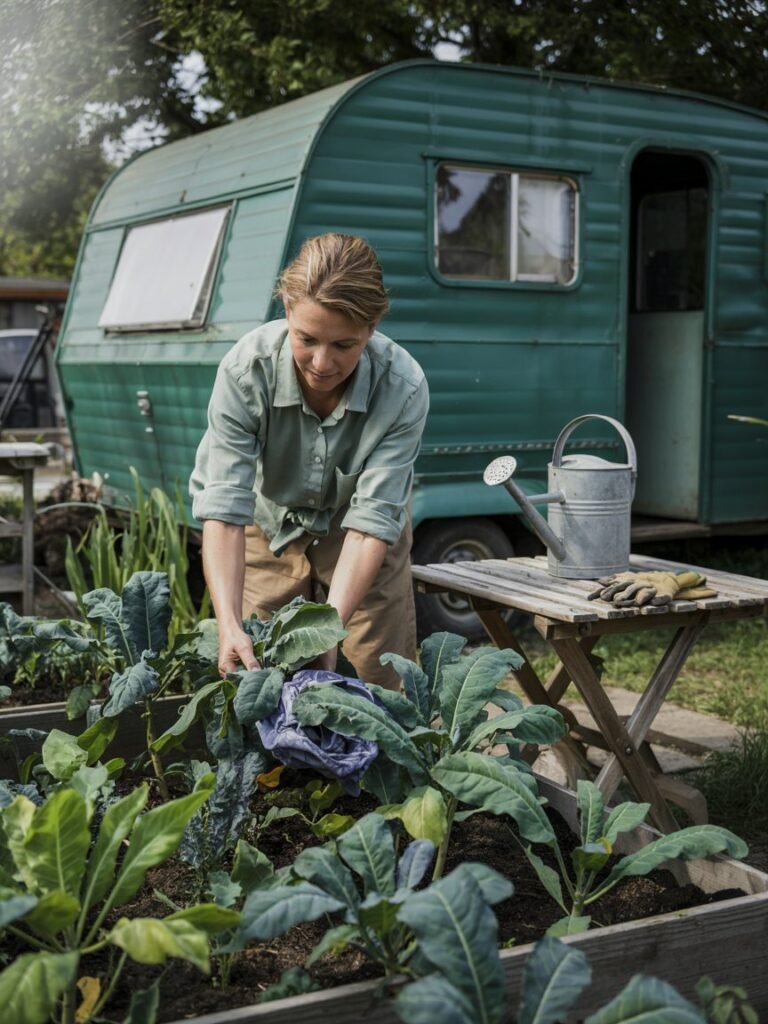
The biggest advantage of container growing in autumn? It’s manageable. You can step outside, harvest what you need, and tend everything in minutes. It’s gardening that fits around real life.
Personal Note: When we were staying at my parents’ during the move, our “garden” was nothing but tubs lined up beside the caravan — yet picking fresh kale on frosty mornings made us feel instantly at home again.
Sign up to the Grow Make Learn Waiting List to get notified when our Small Space Autumn Growing Box launches — complete with seeds, compost, and a simple guide for new growers.
The Takeaway
You don’t need land to plant in autumn — you just need imagination, a few containers, and the willingness to experiment. Every pot of parsley, tub of spinach, or crate of garlic is a small act of self-reliance that keeps you growing all year long.
Preparing for Spring: The Smart Gardener’s Autumn To-Do List
When you plant in autumn, you’re not just sowing for now — you’re laying the foundations for spring. Autumn is the perfect time to get your garden organised, tidy up spent crops, and prepare the soil so that your plants burst into life the moment the days start to lengthen again.
It doesn’t matter if you’re working with raised beds, containers, or a balcony setup — these simple tasks will make next year’s growing season smoother, healthier, and far more productive.
1. Feed and Protect Your Soil
Healthy soil means healthy plants. After you plant in autumn, spread a layer of compost, manure, or mulch over the beds. This insulates the soil and gives worms something to work through over winter.
Our method: We mix homemade compost with leaf mould from the garden, topped with a few coir discs to lock in moisture. It’s messy, earthy work — but it pays off in rich, crumbly soil come March.
2. Clear and Clean Up
Remove any diseased foliage and old stems, but leave healthy roots like kale or leeks in the ground. Clean tools and pots with warm soapy water, dry thoroughly, and store under cover.
Tip: Disinfecting trays now saves headaches later — fungal spores love winter damp!
3. Sow for Early Crops
If you plant in autumn, you’ll enjoy one of gardening’s best-kept secrets: early spring harvests. Sow broad beans, peas, or hardy salads now, either in trays or under a cold frame, and they’ll jump into growth the moment light levels rise.
Personal note: We always sow a tray of Meteor peas in October. By March, they’re ready to transplant — a head start that makes spring feel like cheating!
The Autumn Planting Guide includes a free chart of sowing dates so you can plan these early crops with confidence.
4. Plant Bulbs and Perennials Now
Plant bulbs, rhubarb crowns, and fruit bushes in autumn so they can establish roots before the frost. Even if you’re container growing, bulbs like tulips or daffodils add early spring colour and attract pollinators to your veg patch.
Grower’s tip: Layer bulbs in deep pots (“lasagne planting”) for a long-lasting bloom display.
5. Plan Next Year’s Layout
Winter is perfect for planning. Sketch out what worked this year, what didn’t, and where you’ll plant in autumn next time. Crop rotation, bed mapping, and seed ordering all happen best before the spring rush.
Personal reflection: Every November, we sit by the fire with a cup of tea and last year’s notes — it’s our ritual. A little planning now saves a lot of faff later!
Download our Garden Transformation Starter Guide to map your layout, plan successions, and prepare for your most productive spring yet.
Final Thoughts: Why Now’s the Perfect Time to Plant in Autumn
The beauty of gardening is that there’s always something to be done — and when you plant in autumn, you’re choosing to work with nature rather than against it. The soil is still warm, the air is calm, and the pace slows just enough for you to really enjoy the process. Autumn isn’t about endings; it’s about quiet beginnings.
Whether you’ve tucked garlic into tubs, planted kale in raised beds, or scattered wildflower seeds for spring colour, every small act you take now is an investment in your future garden. By the time the first shoots of spring appear, you’ll be ahead of the game — ready to harvest, not just start.
Personal reflection: Every year when the frost settles and the evenings draw in, I look out at our half-built beds, tubs, and little patches of green and feel that spark of satisfaction — the knowledge that we’ve done something today that our future selves will thank us for.
Keep Growing With Us
If you’ve been inspired to plant in autumn, make sure you download our free Autumn Planting Guide — it includes a bonus sowing chart, crop spacing tips, and frost protection ideas to help you make the most of the season.
And if you’d like a little more support, community, and ready-to-go resources, join the Grow Make Learn Waiting List to be first in line for our upcoming Plant in Autumn Starter Box — complete with seeds, compost, and easy-to-follow instructions for small-space gardeners.
Finally, don’t forget to watch our “What We’re Planting in Autumn” video (embedded above!) to see exactly how we’re putting these tips into practice in our new garden.
Because even as the days grow shorter, there’s always room to grow — and a chance to go Back To The Good Life.

One Comment